Fabric Guide for Custom Clothing: How to Choose the Right Material
News Details
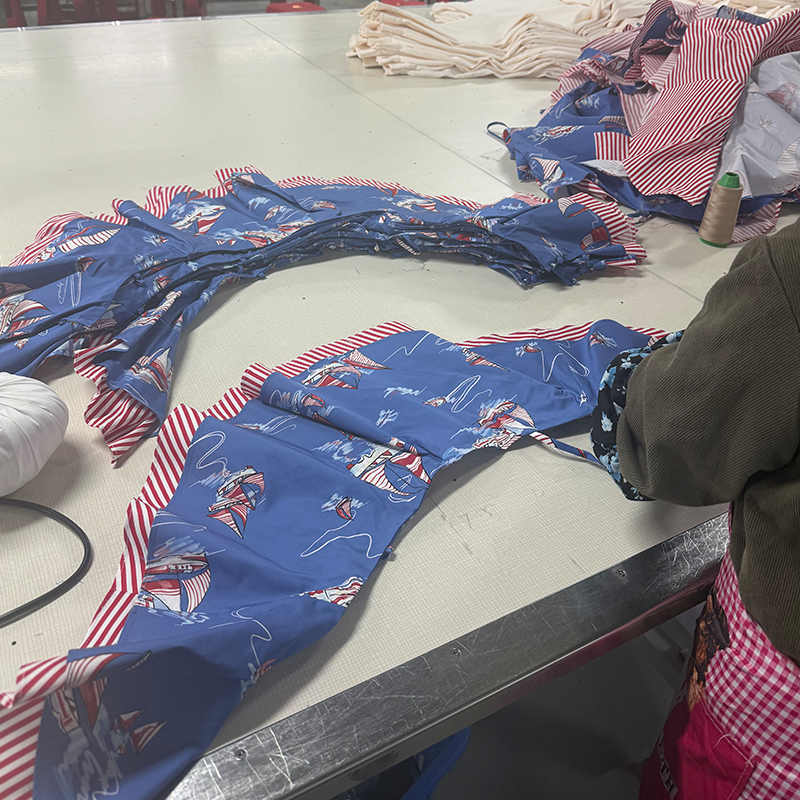
Choosing the right fabric is one of the most important steps in custom clothing production. A great design can still fail if the material does not match the style, fit, or purpose of the garment. Therefore, understanding fabric selection is essential for every fashion brand.
At Jincheng Fashion, fabric sourcing is a core part of the production process. Located in Guangzhou and close to one of the world’s largest fabric markets, the team can source materials quickly, often within one day, which helps speed up sampling and bulk production.
This guide will help you understand how to choose the right material for custom clothing using simple and practical steps.
Why Fabric Choice Matters in Custom Clothing
First of all, fabric directly affects how a garment looks and feels. For example, the same mini skirt design can feel completely different in denim, satin, or cotton.
In addition, fabric impacts:
- Fit – how the garment shapes the body
- Comfort – how soft, breathable, or stretchy it feels
- Durability – how long it lasts after wear and washing
- Cost – different materials have different price points
As a result, choosing the right material early helps avoid delays and costly changes later.
Fabric Guide for Custom Clothing: Choose by Garment Type
The first step is to match the fabric to the garment category. Different clothing styles need different performance features.
For Dresses and Skirts
For maxi dresses, mini skirts, and fashion dresses, brands often choose fabrics with good drape and shape.
Common options include:
- Chiffon – light and flowy
- Satin – smooth with a premium shine
- Cotton blends – breathable and easy to wear
- Polyester blends – wrinkle-resistant and cost-effective
Jincheng Fashion frequently works with these fabrics for women’s dresses and skirts.
For Yoga Wear and Activewear
For activewear, performance matters more.
Good options include:
- Nylon spandex – stretch and recovery
- Polyester spandex – moisture-wicking
- Ribbed knit fabrics – soft and supportive
These materials are commonly used in yoga setss and sportswear collections.
How to Choose the Right Material Based on FunctionThe first step is to match the fabric to the garment category. Different clothing styles need different performance features.
For Dresses and Skirts
For maxi dresses, mini skirts, and fashion dresses, brands often choose fabrics with good drape and shape.
Common options include:
- Chiffon – light and flowy
- Satin – smooth with a premium shine
- Cotton blends – breathable and easy to wear
- Polyester blends – wrinkle-resistant and cost-effective
Jincheng Fashion frequently works with these fabrics for women’s dresses and skirts.
For Yoga Wear and Activewear
For activewear, performance matters more.
Good options include:
- Nylon spandex – stretch and recovery
- Polyester spandex – moisture-wicking
- Ribbed knit fabrics – soft and supportive
These materials are commonly used in yoga sets and sportswear collections.
How to Choose the Right Material Based on Function
Next, think about how the garment will be used. This is often more important than style alone.
For example:
- For summer wear → choose breathable fabrics
- For body-hugging styles → choose stretch fabrics
- For structured silhouettes → choose firmer woven materials
- For daily casual wear → choose easy-care fabrics
Moreover, if the product is for retail, easy washing and durability are key selling points.
Fabric Guide for Custom Clothing: Check Weight and GSM
Another important factor is fabric weight, often measured in GSM (grams per square meter).
Lighter fabrics are better for summer and flowy garments, while heavier fabrics work well for structure and durability.
For example:
- 120–180 GSM → tops, dresses, lightweight skirts
- 180–250 GSM → casual skirts and daily wear
- 250+ GSM → structured pieces and outerwear
Jincheng Fashion also recommends confirming fabric weight during sampling to reduce revisions.
Fabric Sourcing Support from Jincheng Fashion
One major advantage of working with Jincheng Fashion is fast fabric sourcing.
Because the factory is located near Guangzhou’s major textile market, materials can often be sourced within 1–2 days. This makes fast sample development possible.
In addition, the sourcing team helps with:
- Fabric recommendations
- Swatch confirmation
- Custom printing
- Exclusive pattern development
Therefore, brands can move from idea to sample much faster.
How to Test Fabric Before Bulk Production
Before placing a bulk order, always test the fabric during sampling.
Important checks include:
- Stretch and recovery
- Shrinkage after washing
- Color fastness
- Thickness and opacity
- Hand feel
This step is essential because even small fabric issues can affect the final product quality.
Jincheng Fashion includes strict quality control during both sampling and production.
Conclusion: Use the Right Fabric to Build Better Products
In conclusion, this fabric guide for custom clothing shows that material choice is more than just picking a color or texture. It affects fit, quality, cost, and customer satisfaction.
By working with an experienced manufacturer like Jincheng


