Fabric Inspection Standards for Apparel Production
News Details
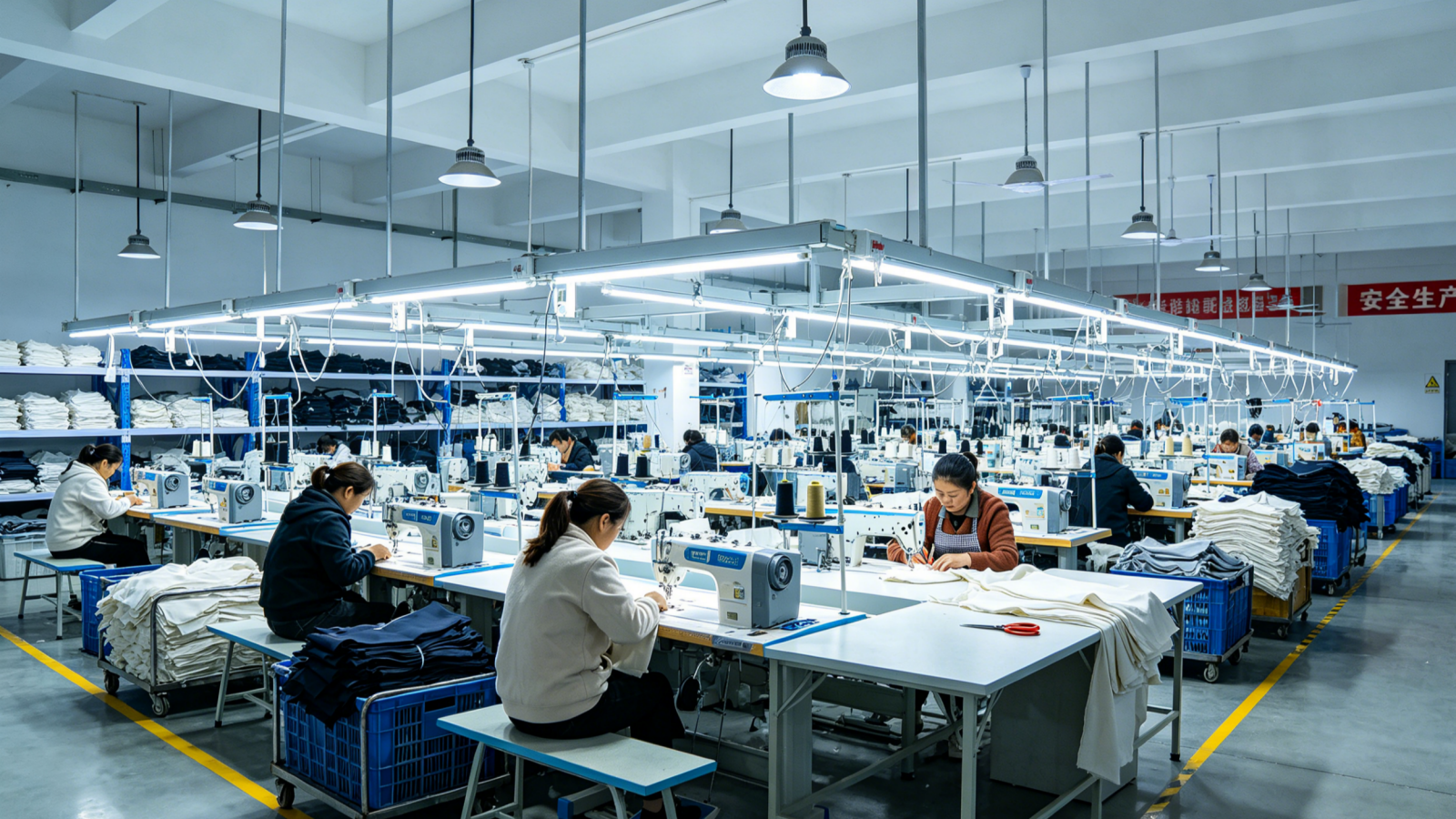
In the apparel industry, fabric quality is the first and most important step. If fabric is not good, the final clothing cannot be good either. That is why Fabric Inspection Standards for Apparel Production are very important for every clothing factory, brand, and supplier.
In this article, we will explain clear fabric inspection standards in simple words. We will also share practical production experience from Jincheng Fashion to show how professional factories control fabric quality before cutting and sewing.
Fabric Inspection Standards for Apparel Production: What Fabric Inspection Means
Fabric inspection means checking fabric quality before production starts. It helps find problems early, so bad materials do not enter the production line.
Usually, inspectors check color, texture, strength, and surface defects. In addition, they also check if the fabric matches the order requirements.
Therefore, fabric inspection is the first quality control step in apparel production. As a result, it reduces risks in later stages.
At Jincheng Fashion, fabric inspection is done before every bulk production order. Because of this, product quality becomes more stable from the start.
Fabric Inspection Standards for Apparel Production: Visual Inspection Standards
The first standard is visual inspection. This means checking fabric by eye under proper light.
For example, inspectors look for stains, holes, uneven dyeing, and color differences. In addition, they check fabric surface smoothness.
Moreover, fabric should be checked from different angles. Because light can affect how defects are seen.
Therefore, visual inspection helps quickly identify obvious problems before production begins.
Fabric Inspection Standards for Apparel Production: Measurement and Weight Control
Another important standard is fabric measurement. Fabric must match the required width, length, and weight.
If fabric weight is too light or too heavy, it may affect clothing shape and comfort.
Therefore, inspectors use tools to measure GSM (grams per square meter). In addition, fabric width must be checked carefully.
As a result, production teams can ensure consistency across all batches.
Furthermore, Jincheng Fashion uses strict measurement control to ensure every roll of fabric meets order standards.
Fabric Inspection Standards for Apparel Production: Strength and Durability Testing
Fabric strength is very important, especially for workwear and daily clothing.
Therefore, pull tests and tear tests are often used. These tests check how strong the fabric is under pressure.
In addition, washing tests can show how fabric performs after repeated use.
Moreover, strong fabric helps reduce customer complaints later. Because of this, durability testing is a key part of inspection standards.
At Jincheng Fashion, durability testing is applied before mass cutting. As a result, weak fabrics are removed early.
Fabric Inspection Standards for Apparel Production: Color Fastness Standards
Color fastness means how well fabric keeps its color after washing or rubbing.
If color fades quickly, it will affect product quality and customer satisfaction.
Therefore, fabric must pass color fastness tests before production.
In addition, different tests such as water wash, dry rub, and light exposure are used.
As a result, only stable color fabrics are used in final production.
Furthermore, Jincheng Fashion follows strict dyeing and color testing rules to ensure long-lasting fabric appearance.
Fabric Inspection Standards for Apparel Production: Defect Rate Control
In the textile industry, defect rate control is very important.
Usually, fabric is inspected using a point system or grading system. This helps measure how many defects exist in each roll.
If defect levels are too high, the fabric is rejected.
Therefore, factories can avoid wasting time and materials on poor-quality fabric.
In addition, Jincheng Fashion uses batch-level inspection systems. Because of this, defective fabric is quickly identified and separated.
Fabric Inspection Standards for Apparel Production: Real Production Practice from Jincheng Fashion
To better understand real inspection standards, let’s look at Jincheng Fashion.
A clothing brand once faced problems with uneven color and weak fabric strength in bulk orders. These issues caused production delays and customer complaints.
To solve this, Jincheng Fashion improved its fabric inspection system:
- Added full-roll visual inspection under standard lighting
- Introduced GSM and width measurement tools
- Strengthened color fastness testing before cutting
- Applied batch-level defect grading system
As a result, fabric quality became much more stable. In addition, production efficiency improved, and waste was reduced.
This case shows that strong fabric inspection standards directly improve final clothing quality.
Fabric Inspection Standards for Apparel Production: Final Quality Decision Before Cutting
The final step of fabric inspection is approval before cutting.
Even if fabric looks fine, final confirmation is still needed. Therefore, inspectors review all test results again.
In addition, sample cutting is often done to check fabric behavior.
As a result, only approved fabric enters mass production. This helps reduce risk and improve product consistency.
Conclusion: Fabric Inspection Standards for Apparel Production
In conclusion, Fabric Inspection Standards for Apparel Production include visual inspection, measurement control, strength testing, color fastness testing, and defect rate control.
Although fabric inspection takes time, it is very important for product quality.
With strict production systems from Jincheng Fashion, clothing brands can reduce defects, improve stability, and deliver better products to customers.


