From Design to Bulk: Custom Dress Manufacturing Solutions
News Details
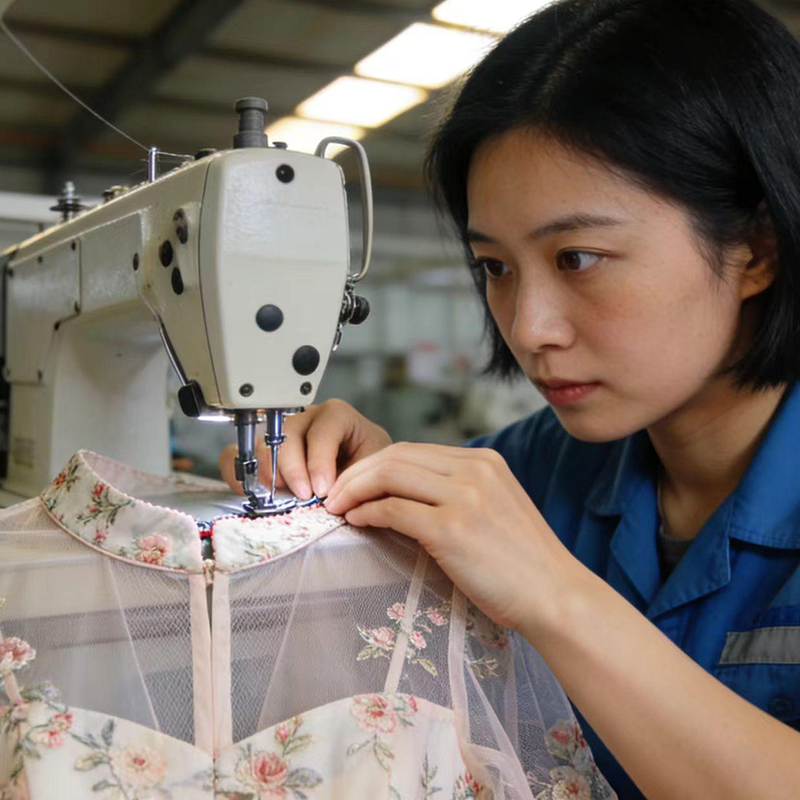
Turning a dress design into a finished product requires more than just sewing skills. From fabric sourcing to pattern development and bulk production, every step must be carefully managed to ensure quality, consistency, and efficiency.
For fashion brands, working with a professional custom dress manufacturer simplifies the entire process. With the right manufacturing partner, your ideas can move smoothly from concept to large-scale production.
Step 1: Design Concept & Tech Pack Preparation
Every successful dress begins with a clear design concept.
Brands typically provide references such as:
-
Design sketches
-
Inspiration photos
-
Tech packs
-
Size charts
-
Fabric preferences
A detailed tech pack helps the manufacturer understand construction details, measurements, trims, and finishing requirements. Clear documentation reduces sampling errors and speeds up development.
Step 2: Fabric & Trim Sourcing
Fabric plays a crucial role in how a dress looks and feels.
A professional manufacturer helps source suitable materials such as:
-
chiffon
-
satin
-
cotton blends
-
polyester fabrics
-
stretch fabrics for fitted dresses
Trim sourcing may include zippers, buttons, lace, elastic bands, and decorative elements.
Choosing the right materials ensures durability, comfort, and a premium appearance.
Step 3: Pattern Making & Sample Development
Pattern making is the foundation of garment manufacturing.
Experienced pattern makers translate design concepts into precise garment structures. During this stage, the manufacturer will:
-
Develop patterns based on the design
-
Adjust proportions for proper fit
-
Produce the first prototype sample
-
Test construction and measurements
Sampling allows brands to evaluate the dress before committing to bulk production.
Step 4: Sample Revision & Approval
Rarely is the first sample perfect. Adjustments are common to refine the final product.
Typical revisions include:
-
improving fit
-
adjusting length or waist placement
-
changing fabric weight
-
modifying neckline or sleeve shape
-
refining stitching details
Once the final sample is approved, the design is ready for production.
Step 5: Bulk Production Planning
Before bulk production begins, manufacturers prepare:
-
production schedules
-
fabric quantity calculations
-
cutting markers
-
quality control checkpoints
Proper planning ensures production runs smoothly and avoids delays.
Step 6: Cutting & Sewing Production
During production, fabric is cut according to approved patterns and assembled by skilled sewing teams.
Key steps include:
-
precision fabric cutting
-
panel assembly
-
seam reinforcement
-
zipper and closure installation
-
hemming and finishing
Experienced sewing technicians ensure the dress maintains consistent structure and fit across the entire batch.
Step 7: Quality Control & Inspection
Quality control is essential for maintaining brand standards.
Professional manufacturers conduct multiple inspections:
-
fabric inspection before cutting
-
in-line production checks
-
measurement verification
-
final garment inspection
These procedures ensure the finished dresses meet required specifications.
Step 8: Packaging & Global Shipping
After final inspection, dresses are carefully packed to prevent damage during transportation.
Manufacturers can assist with:
-
branded packaging
-
hang tags and labels
-
carton packing
-
export documentation
Efficient logistics ensures the finished products reach retailers on time.
Why Custom Dress Manufacturing Matters for Fashion Brands
Custom manufacturing allows brands to maintain creative control while ensuring professional production quality.
Key benefits include:
-
unique product identity
-
flexible order quantities
-
consistent sizing and fit
-
scalable production as demand grows
Working with an experienced manufacturer also helps brands respond faster to market trends.
Final Thoughts
From initial design concepts to bulk production, custom dress manufacturing is a structured process that requires technical expertise,


