How to Communicate Design Details with Clothing Manufacturers
News Details
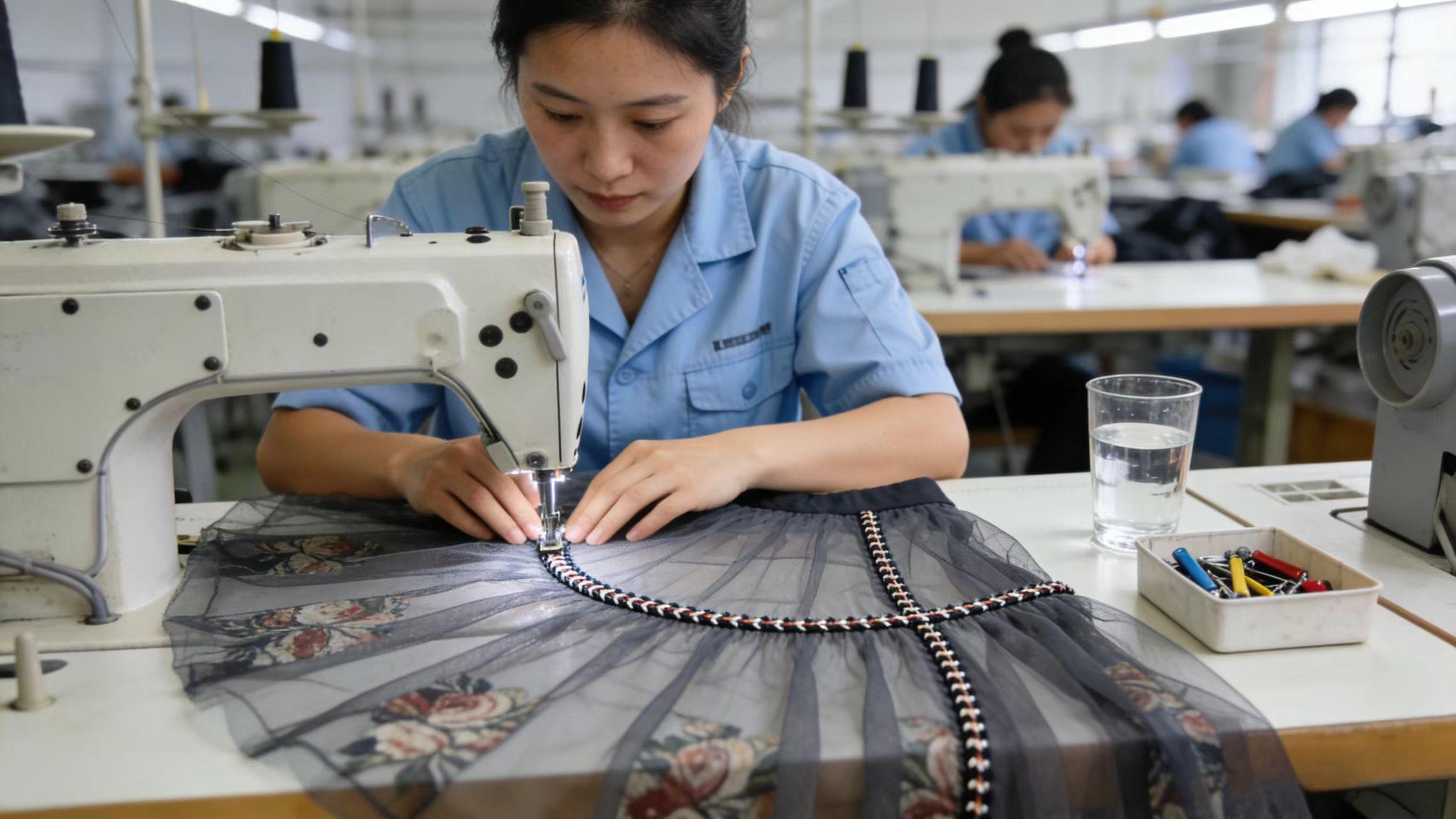
Clear communication is one of the most important factors in successful clothing production.
Many manufacturing issues don’t come from poor workmanship — they come from unclear or incomplete design communication.
Whether you’re working with an OEM or ODM clothing manufacturer, knowing how to communicate design details properly can save time, reduce costs, and prevent mistakes.
1. Start with a Clear Product Vision
Before sharing any files, define the goal of the garment.
Manufacturers need to understand:
-
Target customer and market
-
Intended use (casual, formal, activewear, etc.)
-
Price positioning and quality expectations
This context helps factories make better recommendations during development.
2. Use Visual References, Not Just Words
Words can be interpreted differently.
Always provide:
-
Sketches or technical drawings
-
Reference photos from similar products
-
Samples from existing garments (if available)
Visuals reduce misunderstanding and speed up sampling.
3. Prepare a Detailed Tech Pack
A tech pack is the most effective communication tool.
A complete tech pack should include:
-
Flat sketches (front and back)
-
Measurements and size specifications
-
Fabric type and weight
-
Stitching and seam details
-
Trim and accessory information
The clearer the tech pack, the fewer revisions are needed.
4. Be Specific About Fabric and Materials
“Soft” or “stretchy” is not enough.
Instead, specify:
-
Fabric composition
-
Stretch and recovery expectations
-
Fabric weight (GSM)
-
Performance needs (breathability, durability)
When possible, approve actual fabric swatches before sampling.
5. Explain Fit Expectations Clearly
Fit is one of the hardest elements to communicate.
Help manufacturers by:
-
Providing fit references or competitor samples
-
Explaining where the garment should feel tighter or looser
-
Consolidating fit feedback into one clear list
Avoid sending small changes in multiple messages.
6. Communicate Changes in an Organized Way
Design changes are normal — chaos is not.
Best practices include:
-
Numbering revisions clearly
-
Highlighting only what has changed
-
Confirming which version is approved
This prevents factories from working on outdated information.
7. Use Simple, Direct Language
Clear communication beats fancy language.
Avoid long, vague descriptions.
Short, direct instructions reduce confusion — especially when working across languages and time zones.
8. Assign One Decision Maker
Multiple opinions slow production.
Designate:
-
One main contact person
-
One approval authority
This keeps feedback consistent and timelines under control.
9. Confirm Understanding Before Production
Never assume understanding.
Before bulk production:
-
Ask for confirmation of key details
-
Review final samples carefully
-
Approve all specifications in writing
A short confirmation step can prevent major production errors.
10. Build a Collaborative Relationship
Manufacturers are partners, not just suppliers.
Experienced clothing factories can:
-
Suggest better construction methods
-
Recommend alternative fabrics
-
Identify potential production issues early
Open communication leads to better products.
Final Thoughts
Successful clothing manufacturing starts with clear communication.
By providing structured information, clear visuals, and organized feedback, brands can communicate design details effectively and avoid costly mistakes. Strong communication doesn’t just improve production — it builds long-term, reliable manufacturing partnerships.


