Plus Size Dress Manufacturing: How Pattern Making Improves Fit for Curvy Bodies
News Details
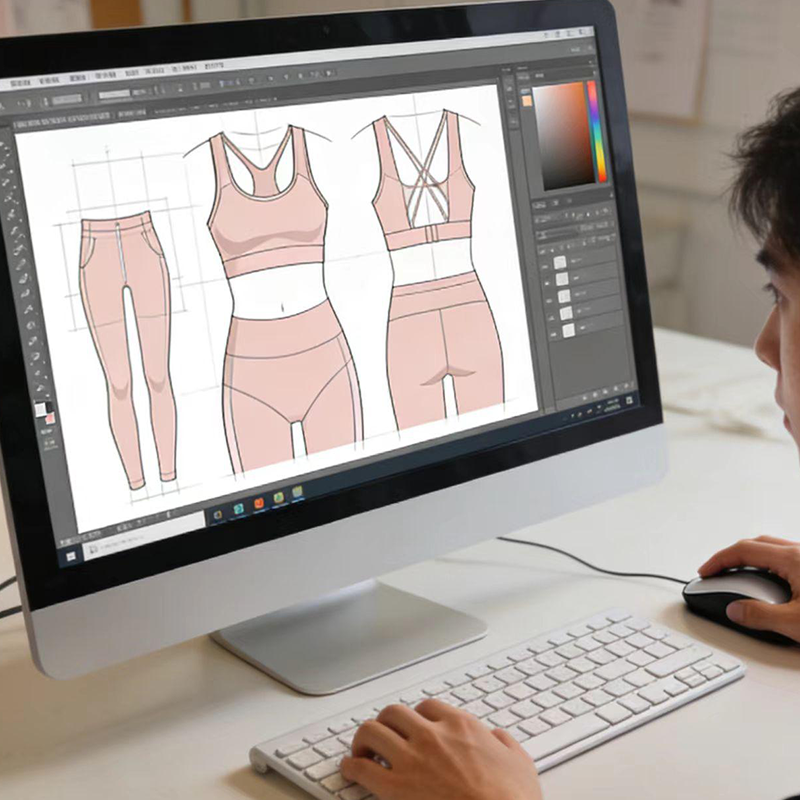
Plus size fashion is no longer a niche market—it’s one of the fastest-growing categories in women’s apparel. But manufacturing plus size dresses is not as simple as “making the same dress bigger.”
Many brands learn this the hard way: a style that fits perfectly in size S or M may look unbalanced, tight in the wrong areas, or uncomfortable in size XL–4XL.
That’s why pattern making plays a critical role in plus size dress manufacturing. The right pattern adjustments don’t just change measurements—they improve comfort, silhouette, and confidence for curvy bodies.
Why Plus Size Dresses Require Different Pattern Logic
In standard manufacturing, some factories simply grade a pattern up from a smaller base size. This method works for basic items, but it often fails for plus size dresses because body proportions don’t scale evenly.
For curvy bodies, common fit challenges include:
-
Bust and waist ratio differences
-
Fuller hips and thighs
-
Wider upper arms
-
A more prominent belly or lower abdomen
-
Higher stress points at seams
Without proper pattern engineering, the dress may pull, ride up, or feel restrictive.
Professional pattern making solves these issues by reshaping the garment—not just enlarging it.
Pattern Making vs. Simple Grading: What’s the Difference?
Grading means increasing the size in fixed increments (for example, adding 2 cm to key areas). It’s fast, but it assumes every part of the body grows equally.
Pattern making for plus size, on the other hand, involves rebuilding the shape of the garment based on real body curves and movement.
This approach improves fit because it considers how fabric behaves on a curvier figure, especially around the bust, stomach, and hip area.
Key Pattern Adjustments That Improve Fit for Curvy Bodies
1. Better Bust Shaping
Plus size dresses often require more than extra width across the chest. Pattern makers improve fit by adjusting:
-
Bust darts placement
-
Dart length and angle
-
Bust point position
-
Front bodice length
These details prevent gaping, pulling, and unflattering tension lines.
2. More Front Length for Belly Comfort
A common plus size issue is the dress riding up in the front because the belly area needs extra length.
Pattern makers often add additional front panel length or adjust the curve of the front hemline so the dress sits evenly and looks balanced.
This is one of the biggest “invisible upgrades” that dramatically improves comfort.
3. Hip and Thigh Room Without Making It Boxy
Some brands avoid fit problems by making the dress overly loose. But customers want shape—not a tent.
Smart pattern design adds room in the hips and thighs while keeping the waistline structured. This creates a flattering silhouette without restricting movement.
4. Sleeve Adjustments for Upper Arm Comfort
Upper arms are one of the most sensitive fit points for plus size customers.
A well-developed pattern considers:
-
Wider bicep circumference
-
Armhole depth
-
Sleeve cap shape
These changes prevent tight sleeves and improve range of motion.
5. Reinforced Seam and Stress Area Planning
Plus size dresses place more stress on seams, especially around:
-
Side seams
-
Armholes
-
Waistline
-
Back zipper areas
Pattern makers may adjust seam allowance or placement to improve durability, reduce seam breakage, and enhance garment longevity.
Fabric Choice Must Match Pattern Design
Pattern making works best when paired with the right fabric selection. A pattern designed for stretch fabric may fail completely if produced in woven fabric.
In plus size dress manufacturing, factories must test fabric behavior such as:
-
Stretch recovery
-
Draping effect
-
Thickness and opacity
-
Shrinkage rate after washing
A good pattern maker will adjust the pattern based on fabric performance, ensuring the final dress remains comfortable and flattering.
Why Fit Samples Matter More in Plus Size Production
In plus size dress manufacturing, sampling is not optional—it’s essential.
Most professional manufacturers recommend:
-
A standard size sample (like L or XL)
-
A true plus size fit sample (like 2XL or 3XL)
This allows brands to confirm that the silhouette works across size ranges and prevents costly bulk production mistakes.
Fit sample testing also helps identify issues such as:
-
neckline gaping
-
hemline imbalance
-
zipper tension
-
tightness at the thighs or arms
How Professional Manufacturers Ensure Consistent Plus Size Fit
A reliable OEM/ODM manufacturer will not rely on one pattern alone. They will build a system that includes:
-
experienced pattern makers
-
size chart confirmation before sampling
-
fitting feedback from real plus size models
-
repeated sample revisions
-
final measurement control during bulk production
These steps reduce returns, improve customer satisfaction, and strengthen brand reputation.
Plus Size Dresses Are About Comfort, Not Compromise
Plus size customers don’t want “larger clothing.” They want clothing designed for their bodies.
With proper pattern making, plus size dresses can deliver:
-
better waist shaping
-
balanced proportions
-
comfortable movement
-
flattering drape
-
long-lasting quality
The difference is immediately noticeable when the garment is worn.
Final Thoughts
In plus size dress manufacturing, pattern making is the true foundation of fit.


