Wash-Tested Quality Leggings: How the Right Fabric Thickness Improves Durability and Comfort
News Details
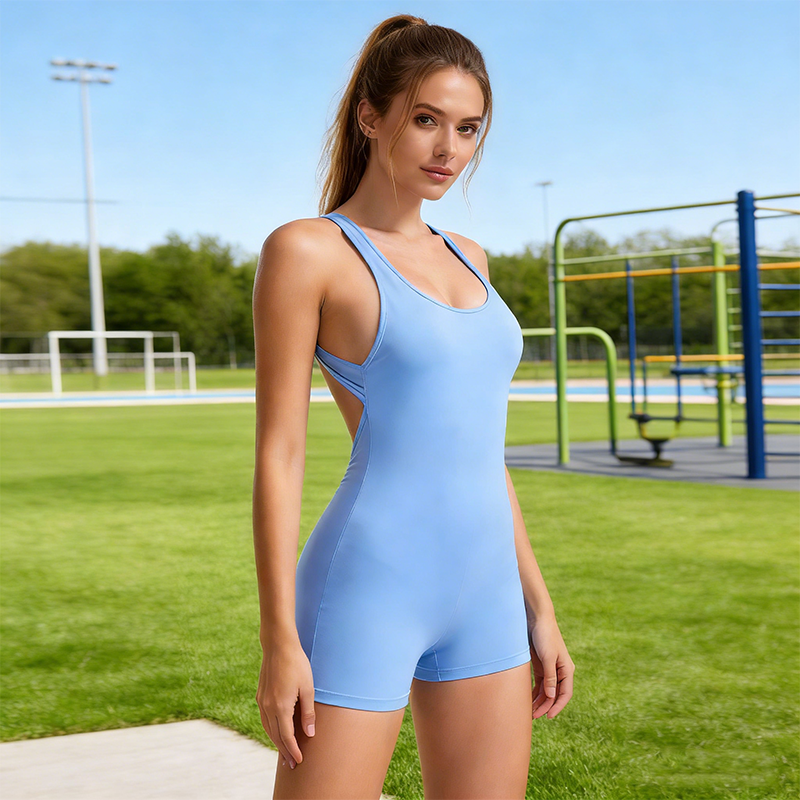
When customers buy leggings, they’re not just paying for the first wear—they’re paying for how the leggings perform after 10, 20, or even 50 washes.
Many leggings look great out of the package, but once they go through repeated washing, problems begin: fabric becomes thin, shape loses recovery, seams weaken, and transparency appears. That’s why wash-tested quality has become one of the most important standards in premium activewear.
At the center of this durability challenge is one key factor: fabric thickness.
Not too thin, not too heavy—just the right balance.
Why Fabric Thickness Matters More Than Most People Think
Fabric thickness affects almost everything about leggings, including:
-
How long they last
-
Whether they become see-through over time
-
How they feel against the skin
-
How well they hold shape
-
Whether they pill or fade
-
How supportive they feel during movement
In other words, thickness is not just a number—it’s the foundation of performance.
Many cheap leggings use lightweight fabric to cut costs, but thin fabric often leads to quicker wear and tear. On the other hand, overly thick fabric can feel hot, stiff, and uncomfortable.
The best leggings are made with fabric that hits the sweet spot: supportive enough to last, but breathable enough to wear daily.
What “Wash-Tested” Really Means in Leggings Manufacturing
Wash-tested leggings are designed and evaluated based on how they perform after repeated laundry cycles.
A high-quality manufacturer will test for:
1. Shrinkage Control
If fabric shrinks too much, leggings become tighter and uncomfortable. Proper fabric thickness combined with pre-treatment helps reduce shrinkage and keeps sizing consistent.
2. Stretch Recovery
Leggings should stretch, but they must also return to their original shape. If the fabric is too thin or poorly knitted, it loses elasticity and becomes loose after washing.
A well-balanced thickness improves recovery and prevents “baggy knees” or sagging.
3. Pilling Resistance
Pilling is often caused by low-quality fibers or fabric that is too light and fragile. Medium-thickness fabric with strong yarn quality reduces surface friction and improves long-term appearance.
4. Color Fastness
After multiple washes, poor fabric often fades quickly. Better fabric construction and proper dyeing processes allow leggings to keep their color longer, even after frequent washing.
5. Seam Strength and Durability
The thicker the fabric (within a reasonable range), the more stable the stitching performance becomes. It reduces seam stress, preventing popping threads and ripped seams over time.
The Perfect Thickness: Durable Without Feeling Heavy
Many customers assume thick leggings always mean better quality. But quality is not about being heavy—it’s about being engineered correctly.
The best leggings use a fabric thickness that feels:
-
Smooth and supportive
-
Flexible for stretching
-
Opaque in bright light
-
Comfortable for long wear
-
Breathable enough for workouts
That’s why premium brands focus on technical fabric balance rather than simply adding weight.
How the Right Thickness Improves Comfort
Durability is important, but comfort is what makes leggings wearable every day.
Less Cling, More Structure
Very thin leggings often cling to the skin and highlight every line. A slightly thicker fabric provides structure, creating a smoother and more flattering look.
Better Coverage and Confidence
The right thickness prevents see-through problems during squats, stretching, or bending. This gives women confidence in gyms, yoga studios, and outdoor settings.
Supportive Compression Feel
A medium-thickness fabric naturally creates a mild compression effect. This helps leggings feel supportive without being overly tight.
Less Irritation
High-quality thicker fabric is often softer and less likely to cause discomfort, especially for long wear.
Why Some Leggings Fail After Washing
Leggings that lose quality after washing usually have one of these issues:
-
Fabric too thin to handle friction and stretching
-
Poor yarn quality
-
Weak dyeing process
-
Low elasticity spandex content
-
Incorrect fabric finishing treatment
Even if the leggings look good at first, they quickly lose shape and performance.
That’s why wash-tested fabric standards matter for brands and manufacturers.
What Brands Should Ask Their Manufacturer About Fabric Thickness
For brands developing leggings, fabric thickness should never be a guessing game.
Here are key questions to ask:
-
Is the fabric squat-proof?
-
Does it pass wash testing for shrinkage and recovery?
-
What is the GSM (fabric weight)?
-
How does it perform after repeated washing?
-
Is the fabric brushed, double-knit, or compacted?
-
Will the color fade after 20 washes?
A professional OEM/ODM manufacturer should be able to provide clear answers and testing support.
Wash-Tested Quality Creates Long-Term Customer Loyalty
When leggings maintain their shape, softness, and support after multiple washes, customers notice.
They don’t just feel satisfied—they become repeat buyers.
Wash-tested quality leggings reduce return rates, build trust, and improve brand reputation. And that all starts with the right fabric thickness and proper manufacturing control.
Final Thoughts
Leggings are not a one-time wear product. They’re an everyday essential—and everyday essentials must last.
The right fabric thickness makes leggings stronger, more comfortable, and more reliable over time. Combined with wash testing and quality manufacturing, it creates leggings that still look and feel great long after the first wash.
Because true quality isn’t what you see on day one—it’s what remains after months of wear.


