Why Does Custom Clothing Production Take Longer Than Expected?
News Details
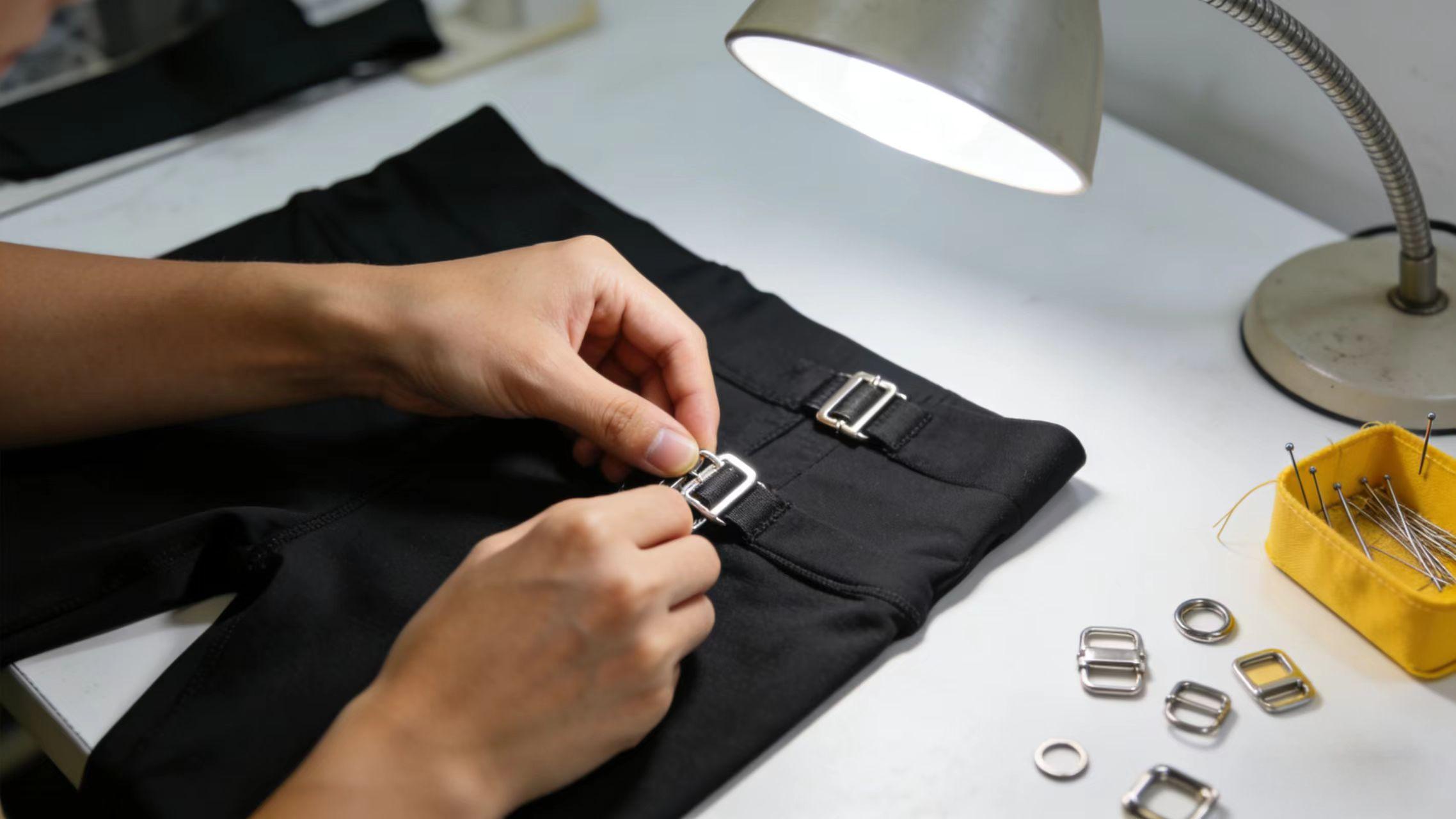
If you’ve ever worked on custom clothing, you’ve probably asked this question before.
Custom apparel production often takes longer than buyers initially expect — and it’s not because factories move slowly. In reality, custom manufacturing involves many variables that don’t exist in ready-made production. Understanding where time is really spent can help brands plan better and avoid costly delays.
1. Incomplete Designs Slow Everything Down
One of the most common reasons for delays is unfinished or unclear design information.
Missing measurements, unclear construction details, or incomplete tech packs force factories to stop and ask questions. Every revision, confirmation, or correction adds extra days — sometimes weeks — to the timeline.
Clear designs from the start mean faster sampling and smoother production.
2. Fabric Sourcing Takes More Time Than Expected
Unlike stock items, custom clothing often requires specific fabrics, colors, or finishes.
Some materials need to be custom-dyed, specially woven, or sourced from different suppliers. Fabric testing for shrinkage, colorfastness, and quality must be completed before production can begin — and this process cannot be rushed without risking quality issues later.
3. Sampling and Fit Revisions Are Time-Consuming
Sampling is not a one-step process.
Most custom garments require:
Initial samples
Fit adjustments
Construction improvements
Final approval samples
Each revision involves pattern updates, cutting, sewing, and review. For women’s wear especially, achieving the right fit can take multiple rounds.
Skipping or rushing this step often leads to bigger problems during bulk production.
4. Factory Production Scheduling Matters
Factories manage multiple orders at the same time.
Even when your sample is approved, bulk production must be scheduled based on machine availability, labor planning, and order size. Custom orders — especially small or complex ones — may require special production arrangements that affect timelines.
Good factories plan carefully to maintain quality, not just speed.
5. Last-Minute Changes Cause Major Delays
Changes after sample approval are one of the biggest time killers.
Adjusting fabrics, measurements, trims, or quantities once production planning has started can reset parts of the process. Even small changes often require re-sampling or re-costing, pushing delivery dates further back.
Final decisions made early save the most time.
6. Quality Control Is Time You Shouldn’t Skip
Quality inspections happen during and after production.
Checking measurements, stitching, appearance, and finishing takes time — but skipping these steps leads to defects, rework, or rejected shipments. Reliable OEM & ODM factories prioritize quality control because fixing problems later always takes longer.
How to Reduce Lead Time in Custom Clothing Production
Brands can help shorten production time by:
•Providing complete tech packs or clear references
•Confirming fabrics and colors early
•Allowing realistic time for sampling
•Avoiding changes after approval
•Working with experienced OEM & ODM factories
Preparation and communication are just as important as factory efficiency.
Final Thoughts
Custom clothing production takes longer because it’s built from scratch.
Every detail — from fabric to fit — is created specifically for your brand. When brands understand the process and work closely with the right manufacturing partner, timelines become predictable, quality improves, and delays are greatly reduced.
In custom apparel, time is not wasted — it’s invested.


