China vs India Clothing Manufacturing: Which Is Better?
News Details
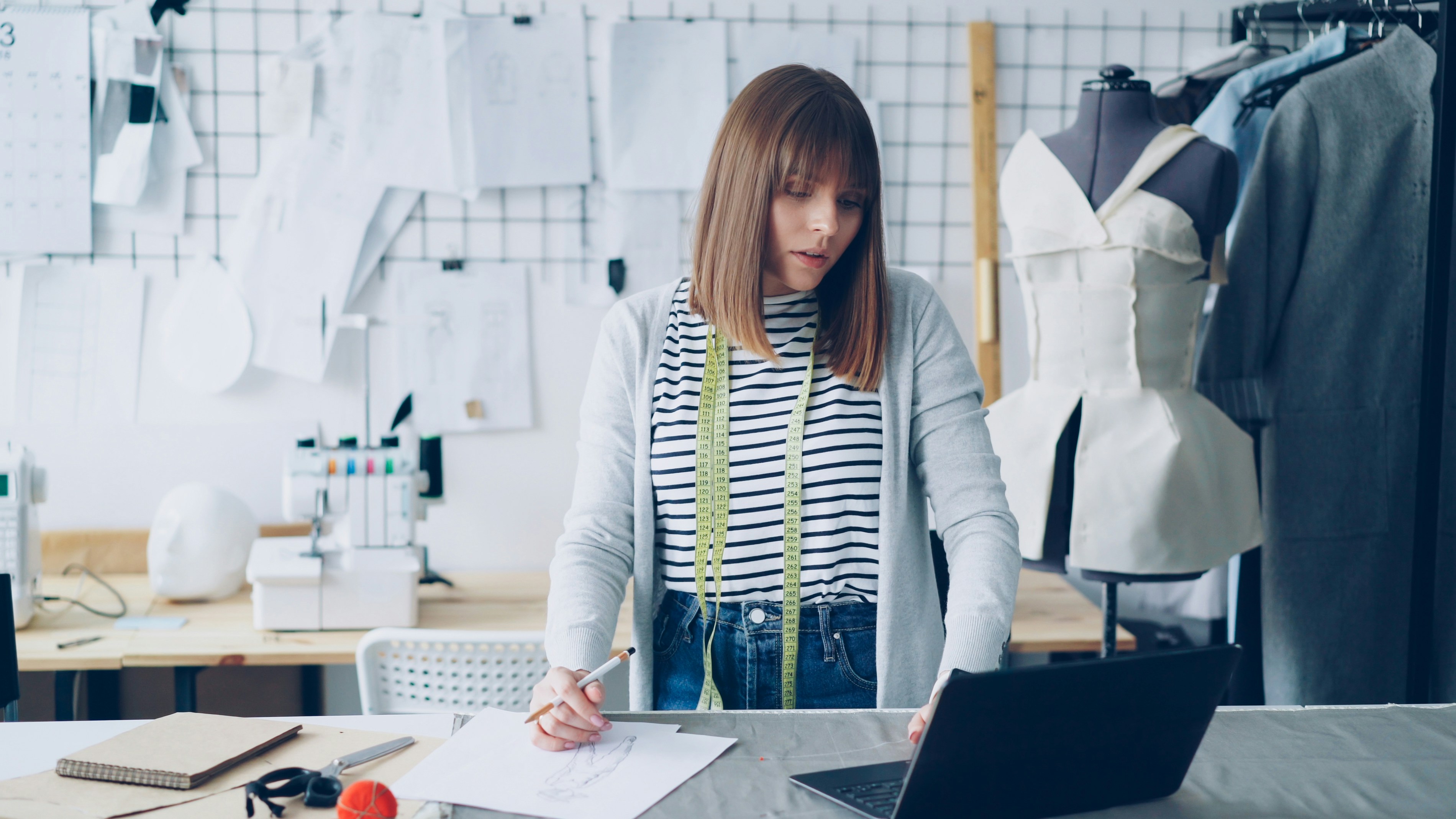
Choosing the right clothing manufacturer can affect your product quality, costs, and delivery time.
China and India are both major clothing manufacturing countries. However, they have different strengths.
China offers a wide range of fabrics, garment types, and custom services. India is well known for cotton clothing, embroidery, and traditional fabrics.
So, which country is better for your fashion brand?
This guide compares China vs India clothing manufacturing to help you make the right choice.
1. China vs India Clothing Manufacturing: Key Differences
Both countries make clothing for fashion brands, retailers, and wholesalers. However, their main strengths are different.
FactorChinaIndiaFabric sourcingWide range of fabrics and trimsStrong in cotton and traditional fabricsProduct rangeDresses, skirts, activewear, and moreCotton clothing, knitwear, and woven garmentsCustom servicesPrinting, labels, embroidery, and packagingEmbroidery, printing, and textile craftsProduction speedStrong supplier networks can save timeDepends on the factory and materialsMOQVaries by factory and productVaries by factory and productBest forFlexible designs and varied collectionsCotton clothing and detailed textile work
However, these are general differences. The quality and service of each factory still matter most.
2. China vs India Clothing Manufacturing Costs
Cost is important when choosing a clothing manufacturer. However, the lowest unit price does not always mean the best deal.
Clothing Manufacturing Costs in China
China has a large network of fabric suppliers, trim makers, and garment factories.
This can help brands source materials and manage production in one place. It is also useful for collections with different styles and fabrics.
China may be a good choice if you need custom designs, several product types, or regular reorders.
Clothing Manufacturing Costs in India
India can be a good choice for cotton clothing, woven garments, and embroidered products.
Depending on the product, brands may find competitive prices and skilled workers. However, costs still depend on fabric, order size, design details, and quality needs.
How to Compare Clothing Production Costs
Before choosing a supplier, compare the full cost of each order.
Include:
- Fabric and labor costs
- Sample and development fees
- Custom labels and packaging
- Shipping and insurance
- Import duties and other fees
In the end, choose the factory that offers the best balance of price, quality, and service.
3. China vs India Fabric Sourcing
Fabric plays a key role in clothing quality, comfort, and cost. Therefore, check material options before choosing a manufacturer.
Fabric Sourcing in China
China has a wide range of fabric suppliers and garment factories. Brands can source materials for many types of clothing.
For example, a women's fashion collection may need:
- Lightweight fabrics for summer dresses
- Stretch fabrics for yoga sets
- Woven fabrics for mini skirts
- Printed fabrics for custom dresses
Guangzhou is a useful location for women's clothing production because of its garment industry and access to fabric markets.
Jincheng Fashion is based in Guangzhou and provides fabric sourcing, sample making, and bulk production. Its location helps the team source materials quickly for custom clothing projects.
Fabric Sourcing in India
India has a strong cotton industry. It also offers many fabrics with traditional prints and embroidery.
Therefore, India may suit brands that focus on cotton clothing or special textile details.
Which is better? China may suit brands that need a wide mix of fabrics and styles. India may suit brands that focus on cotton and traditional textile work.
Always request fabric samples before starting bulk production.
4. China vs India Clothing Quality
Both countries have factories that produce high-quality clothing. However, quality depends on the factory, not just the country.
Before placing an order, check the manufacturer's skills, equipment, and quality control process.
A reliable factory should check fabric, garment measurements, stitching, color, and finishing.
For example, a maxi dress needs good fit, neat seams, and the right fabric drape. A yoga set needs stretch, comfort, and fabric that is not see-through.
To reduce quality problems:
- Request samples before bulk production.
- Confirm fabric and size details.
- Set clear quality standards.
- Check products during production.
- Arrange a final inspection before shipment.
These steps help reduce mistakes and keep product quality consistent.
5. China vs India MOQ and Production Speed
MOQ means minimum order quantity. It tells you the smallest order a factory will accept.
Both China and India have factories that handle small and large orders. However, MOQ depends on the product, fabric, and supplier.
MOQ for Clothing Manufacturing
Small orders are useful for new brands that want to test designs. Larger orders may help reduce the cost per piece.
Custom fabrics and special prints may require higher MOQs in either country.
Therefore, ask about both the garment MOQ and the fabric MOQ before placing an order.
Jincheng Fashion states that its MOQ starts at 100 pieces per style. Confirm the current requirements for your design before ordering.
Clothing Production Lead Time
Production time depends on fabric sourcing, sample approval, order size, and factory capacity.
China's connected supplier networks can help speed up fabric sourcing and product development. However, an experienced Indian factory may also offer fast and reliable service.
Jincheng Fashion states that its typical production lead time is 10–25 days after order confirmation. The actual time depends on the order and product details.
To avoid delays, confirm fabric availability, approve samples early, and agree on a clear production schedule.
6. China vs India for Custom Clothing Manufacturing
Many fashion brands need more than basic garment production. They may also need custom designs, logos, labels, and packaging.
Both countries offer these services, but the right choice depends on your products.
Custom Clothing Manufacturing in China
China is worth considering if you need several product types in one collection.
For example, a brand may want to produce maxi dresses, mini skirts, and yoga sets. Working with a manufacturer that supports these products can make production easier to manage.
China also offers many options for custom prints, embroidery, labels, and packaging.
Custom Clothing Manufacturing in India
India may be a good fit for cotton garments, embroidered clothing, and designs that use special textile techniques.
However, always check that the factory has experience with your product type.
Jincheng Fashion OEM and ODM Services
Jincheng Fashion is a women's clothing manufacturer in Guangzhou, China. It provides OEM and ODM services for fashion brands and retailers.
Its services include:
- Fabric sourcing and design support
- Sample making
- Bulk clothing production
- Custom printing and embroidery
- Private labels and packaging
- Quality control
Learn more about Jincheng Fashion's OEM and ODM services.
7. China vs India for Dresses, Mini Skirts, and Activewear
Your product type should guide your choice of manufacturer.
Women's Dresses and Maxi Dresses
China offers a wide choice of fabrics and suppliers for casual dresses, maxi dresses, and party dresses.
India may be a good option for cotton dresses and embroidered styles.
Mini Skirts
Mini skirts need the right fit, fabric weight, and stitching.
China may suit brands that need several styles, custom prints, or quick seasonal updates. India can also be a good choice for cotton and woven skirts.
Yoga Sets and Activewear
Activewear needs stretch, comfort, and strong seams. The fabric should also keep its shape after use and washing.
Both countries produce activewear. Therefore, choose a factory with experience in stretch fabrics and performance clothing.
Jincheng Fashion produces women's dresses, maxi dresses, mini skirts, yoga sets, activewear, and other custom clothing.
Explore the Jincheng Fashion website to learn more about its product range.
8. Shipping and Total Clothing Manufacturing Costs
The factory price is only part of your total cost.
Shipping, insurance, import duties, and customs fees can also affect your budget.
The best option depends on your destination market, product type, shipping method, and current trade rules.
Before choosing a supplier, compare:
- Unit price
- Packaging costs
- Shipping and insurance
- Import duties and taxes
- Delivery time
For US-bound orders, check the current import rules for your product and country of origin.
A full cost comparison will help you avoid unexpected expenses.
9. How to Choose Between China and India Clothing Manufacturers
Your business needs should guide your final choice.
Choose China if you need:
- A wide range of fabrics
- Several clothing styles from one supplier
- Custom logos, prints, and labels
- Coordinated sampling and bulk production
- Flexible product development and reorders
Consider India if you need:
- Cotton-focused clothing
- Embroidered garments
- Traditional fabrics and prints
- A factory with strong textile skills for your product
These are general guidelines. Always compare individual factories before making a decision.
Ask for samples, quotations, production schedules, and quality standards. Also, check the supplier's communication and experience with similar orders.
10. Why Choose Jincheng Fashion for Clothing Manufacturing in China?
Jincheng Fashion is a women's clothing manufacturer in Guangzhou, China.
The company supports fashion brands from fabric sourcing and sample making to bulk production and quality control.
Its product range includes:
- Women's dresses and maxi dresses
- Mini skirts
- Party dresses
- Yoga sets and activewear
- Private label clothing
- Custom logo apparel
Jincheng Fashion also offers custom printing, embroidery, labels, and packaging.
Its location near Guangzhou's fabric markets helps support fast material sourcing. This is useful for brands that need to develop new styles or prepare seasonal collections.
If you are looking for a clothing manufacturer in China, visit jinchengfashion.com to explore its products and services.
Conclusion: China vs India Clothing Manufacturing
China and India both offer good options for clothing production. The right choice depends on your products, budget, order size, and delivery needs.
China may be a better fit for brands that need a wide range of fabrics, custom designs, and several clothing styles. India may be a better fit for cotton clothing, embroidery, and traditional textiles.
However, the factory matters more than the country alone.
Compare samples, prices, production time, and quality control before placing an order. With the right manufacturing partner, your brand can improve product quality, control costs, and build a more reliable supply chain.


