From Sample to Success: A Custom Dress Manufacturing Tale
News Details
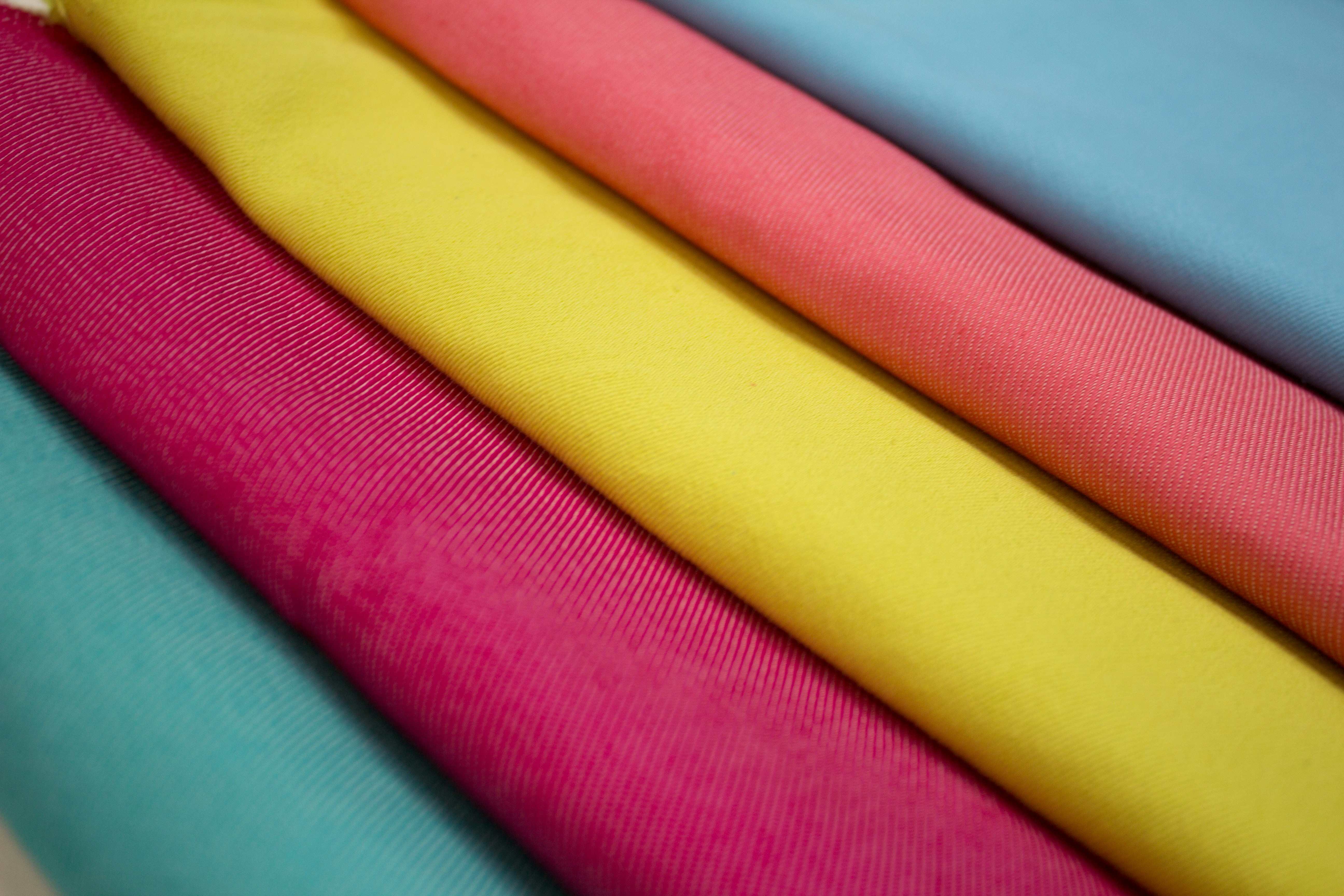
For fashion brands, a great dress collection starts with a great sample. However, turning a design idea into a finished product takes more than good design. It also requires the right fabric, skilled pattern makers, careful sample development, and reliable bulk production.
A good custom dress manufacturer helps brands manage every step. First, the team reviews the design. Next, they make a sample and check the fit. Then, they improve the details before moving to bulk production.
In this article, we will explore how a fashion brand can turn its first dress sample into a successful collection. We will also explain how to choose a reliable custom dress manufacturer and how Jincheng Fashionsupports brands from sampling to final delivery.
Why Sample Development Matters in Custom Dress Manufacturing
A sample is the first real version of a dress design. It helps a brand see how the idea looks and feels in real life.
Although a design drawing may look perfect, the finished dress may need some changes. For example, the fabric may feel different from what the brand expected. The fit may also need work, or some details may not look right.
Therefore, sample development is an important step in custom dress manufacturing.
A well-made sample helps brands:
-
Check the dress shape and overall style.
Test fabric quality, color, and texture.
Review measurements and fit.
Check sewing, seams, zippers, and other details.
Find problems before bulk production.
Make sure the final product meets customer needs.
As a result, brands can reduce production risks and avoid costly changes later.
Step 1: Turning a Dress Design into a Production Plan
Every successful custom dress project starts with a clear plan.
First, the brand shares its design idea with the manufacturer. This may include sketches, reference photos, size charts, fabric choices, and special design details.
Next, the manufacturer reviews the information and checks whether the design can be made as planned.
For example, a brand may want to produce a custom maxi dress with a fitted waist, flowing skirt, and adjustable straps. The manufacturer needs to consider the fabric, pattern, sewing method, and construction details.
At this stage, both sides should confirm the main product requirements.
Important details to confirm include:
-
Dress style and design structure.
Fabric type, weight, and color.
Size range and measurement chart.
Printing, embroidery, or custom logo details.
Labels, buttons, zippers, and other accessories.
Target sample date and bulk production schedule.
Clear communication at the beginning makes the next steps much easier.
Step 2: Choosing the Right Fabric for Custom Dress Production
Fabric has a direct impact on how a dress looks, feels, and fits. Therefore, choosing the right material is one of the most important parts of sample development.
Different dress styles need different fabrics.
For example, a summer maxi dress may need lightweight and breathable fabric. In contrast, an evening dress may need satin, chiffon, or other fabrics with a more elegant look.
A custom dress manufacturer should help brands find materials that match their designs and target prices.
Common fabric choices for custom dresses include:
-
Cotton: Soft and breathable, suitable for casual dresses.
Polyester: Durable and easy to care for, suitable for many dress styles.
Chiffon: Lightweight and flowy, often used for evening and summer dresses.
Satin: Smooth with a soft shine, suitable for party and formal dresses.
Rayon: Soft with a natural feel, suitable for everyday fashion.
Linen: Lightweight and breathable, ideal for warm-weather collections.
Jincheng Fashion is based in Guangzhou, China, close to major fabric markets. This location helps the team source suitable fabrics more quickly and gives brands more choices during product development.
In addition, efficient fabric sourcing can help reduce waiting time and keep the sample process moving.
Step 3: Making the First Custom Dress Sample
Once the design and fabric are confirmed, the manufacturer can start sample production.
First, the pattern maker creates a pattern based on the design and measurements. Then, the sewing team uses the selected fabric to make the first sample.
This sample gives the brand a clear view of the actual product.
However, the first sample does not always need to be perfect. It is a starting point for checking the design and finding areas that need improvement.
During this stage, the manufacturer should pay attention to:
-
Pattern accuracy and garment shape.
Stitch quality and seam strength.
Fabric drape and overall appearance.
Zipper, button, and closure performance.
Neckline, sleeves, waist, and hem details.
Overall comfort and ease of movement.
For example, a fitted mini dress may need adjustments around the waist and hips. Meanwhile, a loose maxi dress may need changes to its length or skirt volume.
By checking these details early, brands can build a better final product.
Step 4: Reviewing and Improving the Custom Dress Sample
After the first sample is ready, the brand needs to review it carefully.
At this point, the team should compare the sample with the original design and size chart. If something does not match, they can send feedback to the manufacturer.
For example, the brand may find that:
-
The dress is too tight around the waist.
The skirt is longer than expected.
The fabric is too thin or too heavy.
The neckline does not have the right shape.
The zipper is difficult to use.
The stitching needs improvement.
The manufacturer can then make the needed changes and prepare a revised sample.
In some cases, one sample is enough. However, more complex designs may need several rounds of changes. This is normal because the goal is to get the product right before making a large order.
Tip: Brands should give clear feedback with photos, marked measurements, and specific comments. This helps the manufacturer understand the changes and avoid repeated mistakes.
Step 5: Confirming the Final Sample Before Bulk Dress Production
Once the sample meets the brand's needs, it is time to approve it.
This step is important because the approved sample becomes the main reference for bulk production.
Before giving final approval, brands should check:
|
Inspection area |
What to check |
|---|---|
|
Fabric |
Color, weight, texture, and quality |
Measurements
Bust, waist, hips, length, and fit
Sewing
Stitching, seams, and thread quality
Design
Shape, color, and all design details
Accessories
Zippers, buttons, labels, and trims
Finishing
Loose threads, stains, and clean edges
After approval, the manufacturer should keep the final sample and confirmed specifications as production references.
This helps the factory maintain consistency across the full order. As a result, customers are more likely to receive dresses that match the approved design.
Step 6: Moving from Dress Sampling to Bulk Production
A successful sample is only the beginning. The next challenge is making the same product in larger quantities while keeping quality consistent.
Before bulk production starts, the manufacturer needs to prepare the materials, patterns, production schedule, and sewing process.
For custom dress manufacturing, this may include:
-
Ordering and checking bulk fabric.
Preparing cutting patterns and size sets.
Arranging fabric cutting and sewing.
Checking measurements during production.
Monitoring sewing quality.
Reviewing finished garments before packing.
However, bulk production should not start without proper quality checks.
For example, if the fabric color is different from the approved sample, the team should identify the issue before it affects the whole order. Similarly, if the measurements are not consistent, the production team should correct the problem as early as possible.
At Jincheng Fashion, the manufacturing process covers fabric sourcing, design, sample making, bulk production, and QC inspection. This one-stop service helps brands manage the full process through one manufacturing partner. Learn more about Jincheng Fashion's manufacturing services.
Step 7: Quality Control in Custom Dress Manufacturing
Quality control is important at every stage, not just after production.
A reliable custom dress manufacturer should check materials before production, monitor the sewing process, and inspect finished garments before delivery.
For example, a dress may look good from the front but have uneven seams on the inside. A final inspection helps find these problems before the products reach the customer.
A complete dress quality control process should include:
-
Fabric inspection: Check fabric color, surface, weight, and defects.
Cutting inspection: Make sure fabric pieces follow the correct patterns.
In-process inspection: Check sewing quality and garment construction.
Measurement inspection: Compare finished garments with the approved size chart.
Final inspection: Check appearance, finishing, accessories, and overall quality.
Packing inspection: Confirm labels, packaging, quantities, and order details.
At Jincheng Fashion, quality control covers raw material inspection, production monitoring, and final product inspection. The team also conducts regular product tests to help maintain its quality standards. Explore Jincheng Fashion's quality control process.
A Custom Dress Manufacturing Story: From First Sample to a Ready Collection
To better understand the process, consider an example of a growing fashion brand preparing a new women's dress collection.
The brand has several design ideas, including a casual mini dress, a printed summer maxi dress, and an elegant evening dress. However, it does not have its own production team.
Instead, the brand works with a custom dress manufacturer to develop the collection.
Stage 1: Sharing the designs
The brand sends its design sketches, reference photos, and size requirements. The manufacturer reviews each style and discusses fabric and construction options.
Stage 2: Fabric sourcing and sampling
The manufacturer sources suitable fabrics and starts making the first samples. The brand checks the fit, fabric feel, and design details.
Stage 3: Making improvements
After reviewing the samples, the brand requests changes to the waist shape, dress length, and neckline. The manufacturer updates the samples based on this feedback.
Stage 4: Sample approval
Once the changes are complete, the brand approves the final samples. The manufacturer records the measurements and construction details for bulk production.
Stage 5: Bulk production and quality checks
The factory prepares the materials and starts production. During this stage, the team checks fabric quality, sewing, measurements, and finishing.
Stage 6: Final delivery
After final inspection, the dresses are packed according to the brand's requirements and prepared for shipment.
This example shows why each stage matters. A good sample gives the brand a clear production target. Meanwhile, clear communication and quality checks help turn that sample into a finished collection.
For new and growing brands, this process also makes it easier to test new designs before placing larger orders.
Why Choose Jincheng Fashionfor Custom Dress Manufacturing?
Choosing the right manufacturer can make a big difference to a fashion brand's product quality and business growth.
Jincheng Fashion is a women's clothing manufacturer based in Guangzhou, China. The company provides OEM and ODM services for fashion brands and retailers.
Its services cover several key stages of clothing production.
1. One-Stop OEM and ODM Services
Jincheng Fashion supports fabric sourcing, design, sample making, bulk production, and quality control. Therefore, brands can manage different production needs through one partner.
2. Fast Fabric Sourcing in Guangzhou
The factory is close to major fabric markets in Guangzhou. This location helps the team find suitable materials quickly and supports a faster product development process.
3. Custom Design and Branding
Brands can develop their own clothing designs and add custom details. Available services include digital printing, embroidery, appliqué, and custom labels and packaging.
4. Regular New Design Development
Jincheng Fashion's in-house design team develops more than 200 new styles each month. Brands can also explore these designs through its ODM service or request exclusive designs.
5. Quality Control Throughout Production
The factory checks raw materials, monitors production, and inspects finished garments. This helps reduce quality problems and maintain product standards.
6. Flexible Manufacturing Support
Jincheng Fashion offers sample and trial orders, as well as OEM and ODM production. Its website lists a minimum order quantity of 100 pieces per style, making it important for brands to confirm order details before starting a project.
You can visit Jincheng Fashion to learn more about its women's clothing manufacturing services.
How to Choose the Right Custom Dress Manufacturer
Before starting a new collection, brands should compare manufacturers carefully. A low price alone does not always mean a good deal.
Instead, look at the manufacturer's full service, production skills, and communication.
Here are six important questions to ask:
-
Can the manufacturer make custom designs? Check whether it can work from sketches, photos, or tech packs.
Does it offer sample development? Ask about sample costs, lead times, and revision options.
Can it source suitable fabrics? A good fabric supply network gives brands more choices.
Does it have clear quality control steps? Ask how it checks samples and bulk orders.
Can it meet your order quantity? Confirm the MOQ for each style.
Can it support future orders? A reliable partner should be able to support repeat orders and growing production needs.
Most importantly, ask for clear information before confirming the order. This helps both sides understand the project and avoid problems later.
Conclusion: Turn Your Dress Sample into a Successful Collection
Every successful dress collection starts with careful product development. From the first design idea to fabric sourcing, sample making, sample approval, and bulk production, each step plays an important role.
A good custom dress manufacturer does more than make clothing. It helps brands improve designs, solve production problems, control quality, and prepare products for the market.
With one-stop OEM and ODM services, fabric sourcing support, and a clear quality control process, Jincheng Fashion helps fashion brands turn dress ideas into finished products.
If you are planning a new dress collection, start with a clear design and a well-developed sample. Then, work with the right manufacturing partner to bring your ideas to life.
Ready to develop your own dress collection? ContactJincheng Fashion to discuss your custom dress designs, sampling needs, and production plans.


