Reducing Lead Times Through Efficient Manufacturing
News Details
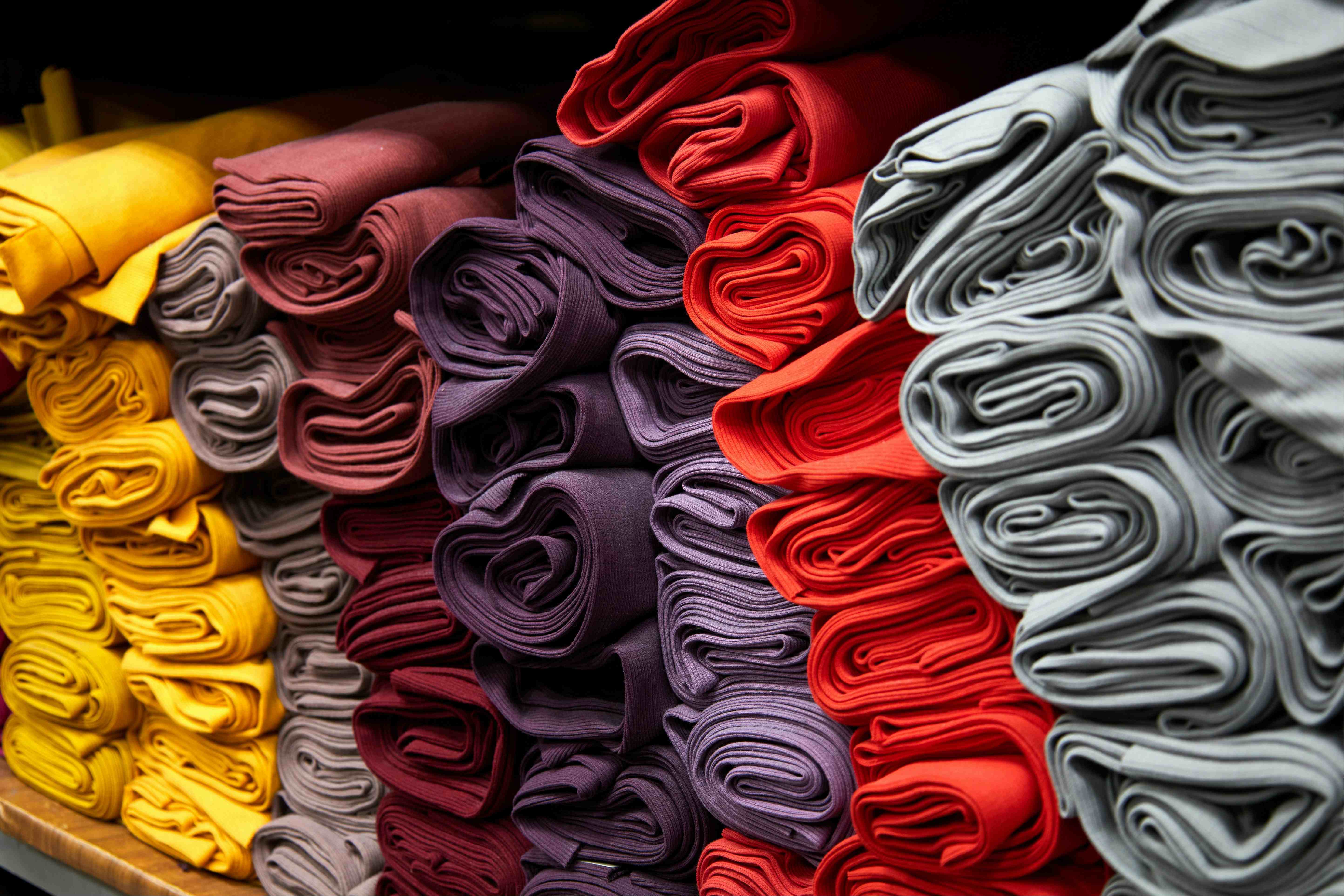
In fashion, timing matters. A great product can lose sales if it arrives too late. Trends move quickly, seasons change, and customer demand can shift in only a few weeks.
For this reason, fashion brands need more than good product quality. They also need an efficient manufacturing process that can move from design to production without unnecessary delays.
Reducing lead times does not simply mean producing garments faster. Instead, it means improving every step of the manufacturing process. Fabric sourcing, sample making, production planning, quality control, and communication all play an important role.
For fashion brands looking for a reliable production partner, Jincheng Fashion provides one-stop OEM and ODM clothing manufacturing services, covering fabric sourcing, design support, sampling, bulk production, and quality inspection.
Why Short Lead Times Matter in Clothing Manufacturing
A short manufacturing lead time helps fashion brands react to the market faster.
For example, a retailer may identify a popular style at the start of a season. If the manufacturing process takes too long, the product may reach stores after customer interest has already declined.
However, faster production can also create problems if the process is not well managed. Rushed production may lead to fabric mistakes, poor stitching, incorrect measurements, or missed quality checks.
Therefore, the goal should not be fast production alone. The goal should be efficient clothing manufacturing with stable quality.
An efficient factory reduces wasted time while keeping important quality checks in place.
Efficient Fabric Sourcing Reduces Clothing Production Lead Time
Fabric sourcing is often one of the first areas where production delays begin.
If a manufacturer needs several days or weeks to find suitable fabric, the entire production schedule can move back.
Therefore, access to a strong fabric supply network is important for short lead time clothing manufacturing.
Jincheng Fashion is located in Guangzhou, close to major fabric markets. The company states that its team can source fabrics quickly and arrange samples through daily fabric-market activity. This location advantage can help shorten the time between fabric selection, sourcing, and sampling.
For custom fashion products, this can be especially useful when brands need:
- New seasonal fabrics
- Custom colors
- Printed fabrics
- Stretch fabrics
- Activewear materials
- Dress fabrics
- Embroidery materials
- Custom trims and accessories
Furthermore, faster fabric sourcing makes it easier to replace unsuitable materials before they affect the production schedule.
Fast Sampling Improves Apparel Manufacturing Efficiency
Sampling is another key stage in the clothing production timeline.
Before bulk production begins, brands usually need to confirm the design, fabric, measurements, construction, and overall fit.
If a sample is delayed, bulk production must also wait.
On the other hand, an organized sampling process allows brands to identify problems early. Changes can then be made before large quantities are produced.
An efficient clothing manufacturer can support this process through:
- Design review
- Fabric selection
- Pattern development
- Sample making
- Fit adjustment
- Logo placement
- Label development
- Sample approval
Jincheng Fashion provides sampling as part of its one-stop OEM/ODM service. Its manufacturing process is designed to connect fabric sourcing, sample development, and bulk production rather than treating each step as a separate service.
As a result, communication between development and production can be more direct.
Better Production Planning Shortens Manufacturing Lead Times
Production planning has a direct effect on lead time.
Even when a factory has enough workers and equipment, poor planning can create unnecessary waiting time.
For example, production may stop because:
- Fabric has not arrived
- Trims are missing
- Samples have not been approved
- Production details are unclear
- Different orders compete for the same resources
- Quality problems require rework
Therefore, an effective production plan should be created before bulk manufacturing starts.
A clear plan normally includes:
- Fabric and trim confirmation
- Sample approval
- Production schedule
- Cutting plan
- Sewing schedule
- Quality inspection points
- Finishing and packing
- Shipment preparation
When these steps are connected, production can move from one stage to the next with less waiting time.
One-Stop Clothing Manufacturing Reduces Communication Delays
Working with multiple suppliers can make clothing production more complex.
For example, a brand may use one supplier for fabric, another for sampling, another for sewing, and another for finishing. Each supplier creates another communication point.
If one supplier is late, other suppliers may also be affected.
A one-stop clothing manufacturer can simplify this workflow.
Jincheng Fashion offers fabric sourcing, design, sample making, bulk production, and QC inspection as part of its manufacturing service. This integrated model helps keep key production steps under one manufacturing workflow.
It can also reduce repeated communication between different suppliers.
For fashion brands, this is useful when developing:
- Private label dresses
- Custom maxi dresses
- Party dresses
- Mini skirts
- Activewear
- Yoga sets
- Custom logo apparel
- Seasonal fashion collections
Quality Control Helps Prevent Production Delays
It may seem that quality control slows production. In reality, effective QC can help prevent bigger delays.
Consider a bulk order with a stitching problem. If the issue is found after all garments have been completed, the factory may need to repair or remake a large number of pieces.
This creates rework.
Rework increases:
- Production time
- Labor costs
- Material waste
- Shipping pressure
- Risk of missed delivery dates
Therefore, quality checks should take place during production rather than only at the end.
Jincheng Fashion describes a quality control process that includes raw material inspection, production-line monitoring, and final product inspection.
In addition, production checks can focus on areas such as:
- Fabric defects
- Measurements
- Stitching
- Seam quality
- Logo placement
- Construction
- Finishing
- Packaging
By finding problems earlier, manufacturers can reduce unnecessary rework and keep production moving.
Standardized Processes Improve Fast Apparel Production
Standardization is another important part of efficient manufacturing.
When production instructions are clear, workers do not need to repeatedly confirm basic details.
A standardized production process can include:
- Approved measurement charts
- Confirmed fabric specifications
- Standard sewing instructions
- Clear construction details
- Approved samples
- Packaging requirements
- QC standards
Once these details are confirmed, the production team can work with fewer interruptions.
This is especially important for repeat orders.
For example, when a fashion brand reorders a successful mini skirt or yoga set, the manufacturer already has the key production information. This can make repeat production more efficient than developing the product from the beginning.
Quick Reorders Support Faster Fashion Business Growth
A successful fashion product often needs to be reordered quickly.
If a product sells faster than expected, the brand may need additional inventory before the next selling period.
A manufacturer with an organized production system can make this process easier.
For repeat orders, the following information may already be available:
- Approved patterns
- Fabric specifications
- Size charts
- Sewing instructions
- Labels
- Logo files
- Packaging details
- Previous QC standards
As a result, the brand can spend less time repeating development work.
For fast-moving products, quick reorder capability can therefore become an important part of an efficient apparel supply chain.
Efficient Manufacturing for Dresses, Skirts, and Activewear
Different fashion products require different production processes.
Efficient Dress Manufacturing
Dresses may involve complex details such as lining, zippers, pleats, ruching, embroidery, prints, and special necklines.
Jincheng Fashion produces different women's dress styles, including embroidered dresses, maxi dresses, formal dresses, and party-focused designs.
Efficient production requires accurate patterns, suitable fabrics, and clear construction instructions.
Fast Mini Skirt Manufacturing
Mini skirts often require careful control of waist measurements, pleats, hems, zippers, and fabric structure.
For seasonal collections, fast sampling and efficient bulk production can help brands launch new styles within a shorter market window.
Efficient Yoga and Activewear Production
Activewear also requires special attention to stretch, recovery, seam strength, and fabric performance.
Jincheng Fashion offers yoga and activewear products, including yoga sets, sports bras, shorts, bodysuits, and other activewear styles.
For these products, efficient manufacturing should still include fabric testing and quality checks. Speed should not replace product performance.
How Jincheng Fashion Helps Reduce Manufacturing Lead Times
Jincheng Fashion combines several production services into one workflow.
Its current manufacturing services include:
- Fabric sourcing
- Design support
- Sample development
- Bulk clothing production
- Quality control
- OEM manufacturing
- ODM manufacturing
- Custom logo services
- Private label production
The factory also states that it offers a usual lead time of 10–25 days after order confirmation, depending on the product and production requirements.
In addition, its website highlights a 100 pcs/style MOQ, three rounds of quality inspections, and an on-time delivery rate of at least 98%.
These services are designed to help fashion brands balance speed, flexibility, and quality during product development and bulk production.
Practical Ways Fashion Brands Can Reduce Production Lead Times
Brands can also improve lead times by preparing information before production starts.
First, provide complete design files. Clear sketches, measurements, fabric requirements, and branding details reduce unnecessary questions.
Next, confirm the fabric early. If the fabric is not ready, bulk production cannot start on time.
Then, approve samples quickly. Long approval cycles can create production delays even when the factory is ready.
Also, keep packaging and label requirements clear. These details should not be left until the final production stage.
Finally, maintain good communication with the manufacturer. Fast responses help the factory make decisions and keep the production schedule on track.
Conclusion: Efficient Manufacturing Creates Shorter Lead Times
Reducing clothing manufacturing lead times requires more than faster sewing.
It starts with efficient fabric sourcing. Then, fast sampling, clear production planning, standardized processes, strong quality control, and direct communication all help keep production moving.
For fashion brands, an integrated manufacturing partner can make the entire process easier to manage.
Jincheng Fashion provides one-stop OEM and ODM clothing manufacturing in Guangzhou, covering fabric sourcing, sampling, bulk production, and quality control. Its product range includes women's dresses, mini skirts, activewear, yoga sets, and other custom fashion products.
When every production stage works together, brands can reduce unnecessary waiting time while maintaining product quality. That makes efficient manufacturing an important part of building a faster and more flexible fashion supply chain.


