Full-Lifecycle Traceability: Garment Factory’s Green Production Model Secures 3-Year Long-Term Orders from European & American Brands
Case Details
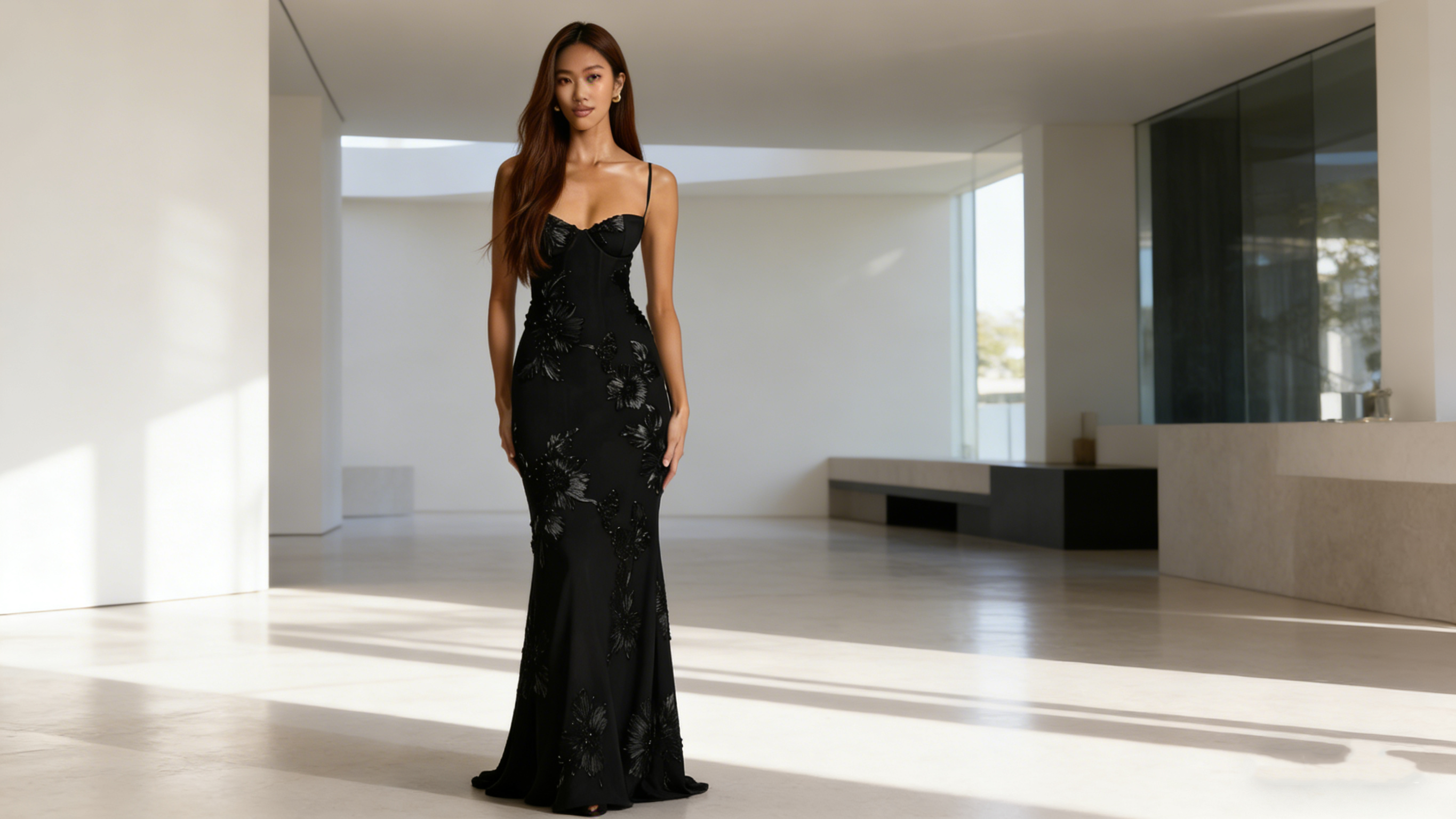
The Rise of Traceability: Meeting Global Demand for Transparent Formal Wear
The global formal evening gowns market has witnessed a paradigm shift in recent years, with consumers and brands alike prioritizing transparency alongside style and quality. According to industry reports, search volumes for terms like “sustainable formal evening gowns,” “traceable ball gowns,” and “ethically made mermaid evening dresses” have surged by over 180% in the past two years, as shoppers increasingly seek to align their fashion choices with environmental values. European and American brands, in particular, face mounting pressure from regulatory bodies and consumers to provide full visibility into their supply chains, making traceability a key differentiator in vendor selection.
For the garment factory, this trend presented a strategic opportunity to differentiate itself in a crowded market. Rather than viewing sustainability as a compliance burden, the team embraced it as a core business value, developing a full-lifecycle traceability system that covers every stage of formal evening gown production. From the moment organic silk and recycled polyester fabrics are sourced from certified suppliers to the final delivery of custom evening gowns, each step is documented using a digital tracking platform integrated with QR code technology. This allows brands and end consumers to scan any formal evening gown and access detailed information about its material origins, manufacturing processes, carbon footprint, and ethical compliance—addressing the growing demand for “transparent luxury” in formal wear.
The factory’s focus on high-demand formal evening gown styles further strengthened its appeal to global brands. By specializing in popular yet niche categories such as A-line formal evening gowns, off-the-shoulder ball gowns, custom plus size evening dresses, and vintage-inspired gala gowns, the factory tapped into search trends for specific, low-competition long-tail keywords that drive targeted traffic. Whether it’s elegant satin evening dresses for weddings, sequined formal gowns for red carpet events, or versatile cocktail evening dresses that transition from parties to formal dinners, the factory’s product range aligns with the most searched-for formal wear categories on Google and e-commerce platforms.
Green Production Practices: Where Elegance Meets Environmental Responsibility
At the heart of the factory’s success lies its commitment to green production—proving that formal evening gowns can be both luxurious and eco-friendly. The factory holds OEKO-TEX® STeP certification, a globally recognized standard for responsible textile production that covers environmental management, chemical safety, social responsibility, and worker health protection. This certification, combined with the factory’s own sustainability initiatives, has enabled it to reduce water consumption by 40% and carbon emissions by 35% compared to traditional formal wear manufacturing facilities.
A key pillar of the factory’s green model is its focus on sustainable materials. For formal evening gowns, the factory prioritizes organic silk, recycled polyester chiffon, and biodegradable lace—materials that meet the strict environmental standards of European and American brands while maintaining the luxurious look and feel expected of formal attire. For example, the factory’s best-selling recycled polyester sequined ball gowns use 100% post-consumer plastic waste, transformed into shimmering fabrics that rival traditional sequins in elegance but have a fraction of the environmental impact. Similarly, its organic silk A-line evening gowns are sourced from fair-trade farms that avoid harmful pesticides and promote soil health, appealing to brands focused on ESG (Environmental, Social, Governance) goals.
The factory also implements lean manufacturing principles to minimize waste in formal evening gown production. By adopting made-to-order and small-batch production models for styles like custom-fit mermaid evening dresses and plus-size formal gowns, the factory reduces overproduction—a major issue in the fashion industry that contributes to textile waste. Any fabric scraps from cutting processes are repurposed into accessories or donated to local artisans, ensuring that no material goes to waste. Even packaging for formal evening gowns is eco-friendly, using 100% recycled cardboard boxes and biodegradable garment bags that align with the sustainability values of both brands and consumers.
Quality control is another critical component of the factory’s green production model. Each formal evening gown undergoes rigorous inspections at every stage of manufacturing, from fabric testing to final stitching, ensuring that only flawless pieces are delivered to clients. This attention to quality not only reduces returns (and thus environmental waste) but also reinforces the factory’s reputation for reliability—a key factor in securing long-term orders. For example, the factory’s hand-stitched lace evening gowns and beaded formal dresses are inspected by skilled artisans to ensure precision and durability, meeting the high standards of luxury European and American brands used to working with premium formal wear manufacturers.
Securing Long-Term Partnerships: The Brand Collaboration Story
The factory’s commitment to full-lifecycle traceability and green production caught the attention of three major European and American brands during a 2024 trade show focused on sustainable fashion. These brands—known for their high-end formal wear lines, including red carpet evening gowns, wedding formal dresses, and gala ball gowns—were actively seeking manufacturing partners that could meet their strict sustainability standards without compromising on style, quality, or delivery speed.
After an extensive vetting process that included factory audits, sample testing, and traceability system demonstrations, the brands were impressed by what they saw. The factory’s ability to produce a wide range of formal evening gown styles—from elegant one-shoulder satin gowns to glamorous sequined mermaid dresses—aligned perfectly with the brands’ product portfolios. Its OEKO-TEX® STeP certification and transparent supply chain provided the assurance needed to meet regulatory requirements in Europe and the US, while its focus on sustainable materials resonated with the brands’ ESG goals.
The final deciding factor was the factory’s flexibility and responsiveness. Unlike larger manufacturers that require massive minimum orders, the factory’s lean production model allows it to accommodate small-batch orders and customizations—critical for luxury brands that often produce limited-edition formal evening gowns. Whether the brands needed custom plus size evening dresses, vintage-inspired lace ball gowns, or modern slit evening gowns with unique embellishments, the factory could deliver high-quality products within tight timelines.
In early 2025, the partnership was formalized with a 3-year long-term contract worth millions of dollars. The agreement covers the production of thousands of formal evening gowns annually, including core styles like A-line formal dresses, mermaid evening gowns, and cocktail party dresses, as well as seasonal special editions. For the factory, the partnership represents a validation of its sustainable business model, while for the brands, it provides a reliable source of ethical, traceable ball gowns and formal wear that meets the demands of today’s consumers.
Looking Ahead: Expanding the Green Formal Wear Vision
With the success of its partnership with European and American brands, the factory is now looking to expand its green production capabilities and traceability system to new product categories within the formal wear sector. Plans include adding sustainable bridesmaid dresses, eco-friendly prom gowns, and ethical evening separates to its product range—all while maintaining the same commitment to transparency and environmental responsibility.
The factory is also investing in new sustainable technologies, such as waterless dyeing processes for formal gown fabrics and energy-efficient sewing equipment, to further reduce its environmental footprint. Additionally, it is working to expand its network of certified sustainable material suppliers, ensuring a steady supply of high-quality organic and recycled fabrics for its formal evening gowns.
For other garment factories looking to tap into the growing demand for sustainable formal wear, the factory’s story offers valuable lessons. By prioritizing traceability, adopting green production practices, and focusing on high-demand, low-competition formal evening gown styles, manufacturers can differentiate themselves in a competitive market and attract global brands willing to invest in ethical, transparent supply chains.
In a world where consumers are increasingly mindful of the impact of their fashion choices, the factory’s success proves that sustainability is not just a trend—it’s the future of formal evening wear. By combining elegance with environmental responsibility, the factory has not only secured long-term business success but also set a new standard for the industry—proving that formal evening gowns can be both beautiful and kind to the planet.


