End-to-End Apparel Manufacturing Solutions: From Design to Delivery
News Details
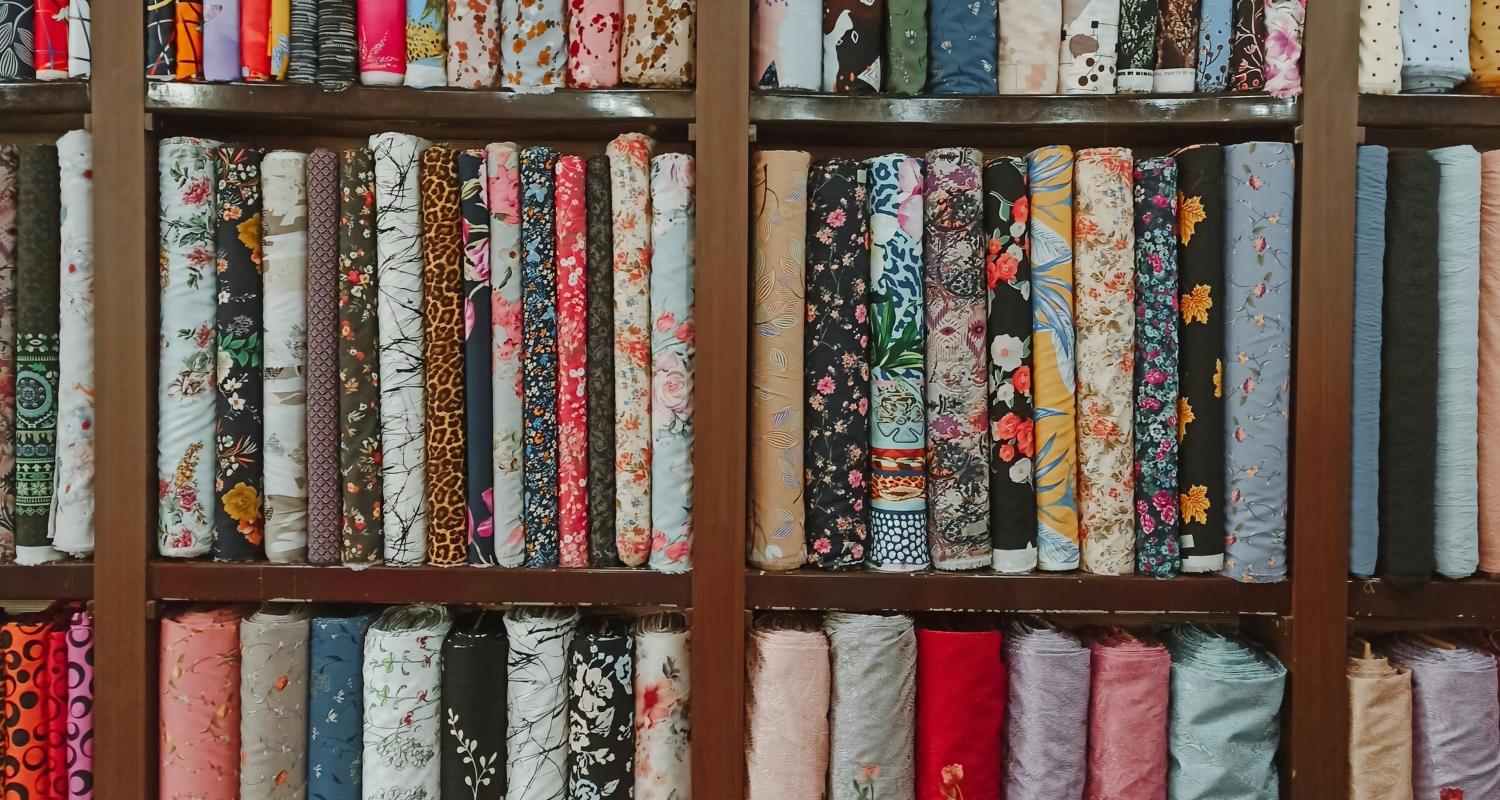
Fashion brands need more than a factory that can sew garments. They need a reliable partner that can manage the full process, from the first design idea to the final shipment. That is where end-to-end apparel manufacturing solutions can make a real difference.
Instead of working with several suppliers for design, fabrics, samples, production, and quality checks, brands can work with one experienced manufacturing partner. As a result, communication becomes easier, production can move faster, and quality can stay more consistent.
Jincheng Fashion provides one-stop OEM and ODM apparel manufacturing services in Guangzhou, China. Its services cover fabric sourcing, design, sample making, bulk production, and quality control. The company also supports custom printing, embroidery, labels, packaging, and other brand needs.
What Are End-to-End Apparel Manufacturing Solutions?
End-to-end apparel manufacturing means managing the main stages of clothing production through one connected supply chain.
Typically, the process includes:
- Product design and development
- Fabric and trim sourcing
- Pattern making
- Sample development
- Sample revisions
- Bulk clothing production
- Quality control
- Custom branding
- Packaging
- Shipping and delivery support
Therefore, brands do not need to manage every supplier on their own. A full-service clothing manufacturer can coordinate each step and keep the project moving from one stage to the next.
This approach is especially useful for fashion startups, boutique brands, online clothing stores, private label businesses, and established fashion companies that need flexible production support.
Why Choose Full-Service Apparel Manufacturing?
Working with one apparel manufacturing partner can simplify the entire production process. More importantly, it can reduce delays caused by poor communication between different suppliers.
One Partner for the Complete Production Process
First, brands can share their designs, tech packs, reference samples, or basic ideas with one manufacturer. Then, the manufacturer can help manage sourcing, sampling, production, and quality checks.
As a result, there are fewer handoffs between suppliers. This can make it easier to solve problems and make changes during development.
Faster Product Development and Sampling
Speed is important in fashion. Trends can change quickly, so brands need to move from an idea to a finished product without unnecessary delays.
Jincheng Fashion is located in Guangzhou and is close to a major fabric market. According to the company, its team can source fabrics within one day in many cases, which supports faster fabric sourcing and sample development.
This supply chain advantage can help brands shorten development time and respond to new market opportunities.
Better Quality Control
Quality problems can become expensive when they are found after bulk production. Therefore, quality control should start before the final garments are finished.
Jincheng Fashion uses quality checks for raw materials, production processes, and finished garments. Its stated service guarantees include three rounds of quality inspections and OEKO-TEX Standard 100 support.
With quality checks at different stages, brands can identify problems earlier and improve production consistency.
The End-to-End Apparel Manufacturing Process
A clear production process helps turn an idea into a market-ready garment.
1. Design and Apparel Product Development
The process starts with a design concept.
A brand may provide a sketch, tech pack, reference garment, fabric idea, or even a simple product concept. The manufacturer then reviews the design and considers construction, fabric, fit, trims, and production requirements.
For brands without a complete design team, ODM services can also provide a practical option. Jincheng Fashion has an in-house design team and reports more than 200 new styles each month, giving customers additional design choices.
2. Fabric and Trim Sourcing
Next, the right fabrics and trims need to be selected.
Fabric choice affects the garment's:
- Look
- Feel
- Fit
- Durability
- Cost
- Production performance
A manufacturer with strong local sourcing connections can make this step easier. Jincheng Fashion works with fabric suppliers and provides fabric sourcing, customized digital printing, embroidery, and appliqué services.
Because the company is based in Guangzhou, its sourcing team can also respond quickly to new fabric requests.
3. Pattern Making and Sample Development
After the materials are confirmed, the garment pattern can be developed.
The first sample helps the brand review:
- Fit
- Measurements
- Fabric behavior
- Construction
- Sewing quality
- Design details
- Overall appearance
If changes are needed, the sample can be revised before bulk production.
This stage is important because a good sample creates a clear standard for the production team.
4. OEM and ODM Apparel Manufacturing
Once the sample is approved, the project can move into bulk production.
With OEM apparel manufacturing, the brand provides its own design and production requirements. The manufacturer then produces the garments according to those specifications.
With ODM clothing manufacturing, the manufacturer provides design and development support. This can be useful for new brands that want to save development time or need help creating market-ready styles.
Jincheng Fashion provides both OEM and ODM services and supports both small-batch trials and larger production orders.
5. Bulk Clothing Production
After approval, the manufacturer prepares materials and begins bulk production.
A professional production process should keep the approved sample, measurements, fabric, construction details, and finishing requirements as the standard.
This helps reduce differences between the approved sample and the final order.
For brands that need frequent launches, short lead times can also be important. Jincheng Fashion states that its normal production lead time is around 10–25 days after order confirmation, although the actual timeline can vary by product and order.
6. Apparel Quality Control
Quality control should continue throughout production rather than happen only at the end.
A complete apparel QC process may include:
- Raw material inspection
- Measurement checks
- In-line production inspection
- Sewing quality checks
- Color and fabric checks
- Finished garment inspection
- Packaging inspection
Jincheng Fashion highlights strict quality control from raw material inspection through production and final inspection.
Therefore, brands can have greater control over product consistency before goods leave the factory.
7. Custom Branding, Labels, and Packaging
A clothing product needs more than a good design. It also needs a clear brand identity.
End-to-end apparel manufacturing can include:
- Custom labels
- Logo printing
- Embroidery
- Appliqué
- Hang tags
- Custom packaging
- Exclusive fabric printing
Jincheng Fashion supports label and packaging development as well as customized digital printing and embroidery.
This allows brands to create a more complete private label clothing collection through one manufacturing partner.
Jincheng FashionProducts for Custom Apparel Manufacturing
Jincheng Fashion focuses on women's clothing and supports several product categories for fashion brands.
Custom Dresses and Maxi Dresses
Dresses are a key category for women's fashion brands. Jincheng Fashion supports custom dress production, including maxi dresses, occasion dresses, embroidered dresses, and other women's dress styles.
For example, the company provides OEM and ODM support for styles such as square-neck fit-and-flare maxi dresses, with services covering fabric sourcing, pattern making, sampling, and bulk production.
These services are suitable for boutique collections, occasionwear brands, resort collections, and online fashion stores.
Custom Mini Skirts and Women's Skirts
Mini skirts can also be developed as part of seasonal fashion collections.
Brands can use OEM manufacturing to produce their own skirt designs or use ODM support to develop new styles. This makes it easier to create coordinated collections with dresses, tops, and other women's apparel.
Yoga Sets and Activewear
Jincheng Fashion also supports yoga wear and activewear sets.
This category can include custom yoga sets, fitted activewear, and other performance-focused women's apparel. The company's product and manufacturing content highlights yoga sets as one of its supported categories.
For activewear brands, fabric selection, stretch, fit, construction, and quality control are especially important. An integrated manufacturer can help coordinate these factors during development and production.
Private Label Women's Clothing
For brands building their own identity, private label manufacturing offers a way to create branded products without owning a factory.
Jincheng Fashion supports custom labels, packaging, logo printing, embroidery, OEM production, and ODM development.
Therefore, brands can develop a collection that reflects their own design and brand style while using professional manufacturing resources.
How End-to-End Manufacturing Helps Fashion Brands
A full-service apparel manufacturer can offer several practical advantages.
Lower Supplier Management Pressure
Managing different suppliers for fabric, patterns, samples, production, labels, and packaging can take a lot of time.
With one manufacturing partner, communication becomes more direct. In turn, brands can spend more time on product planning, marketing, and sales.
Faster Time to Market
When sourcing, sampling, and production are connected, fewer delays can occur between stages.
This is especially useful for trend-driven fashion brands. Faster product development can help brands respond to customer demand and launch new collections sooner.
More Flexible Production
Flexible production is valuable for both new and established brands.
Jincheng Fashion states that its MOQ is 100 pieces per style and that its services can support small-batch trials as well as mass production.
This can help new brands test products before committing to larger quantities.
Better Cost Control
End-to-end production can also improve cost control.
For example, sourcing, sampling, production, and quality control are coordinated within the same supply chain. This can reduce unnecessary handling, communication issues, and production mistakes.
However, the final cost still depends on factors such as fabric, garment construction, order quantity, customization, packaging, and shipping.
Why Guangzhou Is a Strong Location for Apparel Manufacturing
Location matters when choosing a clothing manufacturer.
Guangzhou has a mature apparel supply chain, skilled garment workers, fabric markets, trim suppliers, and logistics services. Its strong manufacturing ecosystem can support faster sourcing and production.
Jincheng Fashion is based in Guangzhou and is close to a major fabric market. The company says this location allows its team to source fabrics quickly and support rapid sampling.
For international fashion brands, this combination of sourcing access and manufacturing experience can make Guangzhou an attractive production base.
End-to-End OEM and ODM Solutions for Growing Fashion Brands
Every fashion brand has different production needs.
A startup may need help with its first sample and a small trial order. A boutique may need flexible production for seasonal collections. Meanwhile, an established brand may need a reliable supplier that can handle repeat orders and larger production volumes.
That is why a flexible OEM and ODM model can be useful.
Jincheng Fashion provides:
- OEM clothing manufacturing
- ODM product development
- Fabric sourcing
- Sample making
- Bulk production
- Quality inspection
- Custom digital printing
- Embroidery and appliqué
- Custom labels
- Packaging development
- Flexible MOQ options
These services create a connected production process for brands that want to develop and manufacture women's clothing with one partner.
How to Choose an End-to-End Clothing Manufacturer
Before selecting a manufacturing partner, fashion brands should review several factors.
First, check the product range. Make sure the factory has experience with your product type, fabric, and construction.
Second, review the sampling process. A strong sample development process can prevent problems during bulk production.
Third, ask about MOQ and lead time. Flexible order quantities and clear production schedules are especially important for new brands.
Fourth, review quality control. Ask how materials, samples, production lines, and finished garments are inspected.
Finally, consider communication and customization. A good partner should be able to support branding, packaging, fabric choices, and product changes.
The right manufacturer should not simply produce garments. Instead, it should help your brand move smoothly from concept to finished product.
Build a More Efficient Apparel Supply Chain with Jincheng Fashion
End-to-end apparel manufacturing solutions can simplify the way fashion brands develop and produce clothing. By combining design, sourcing, sampling, OEM or ODM production, quality control, branding, and delivery support, brands can reduce supplier complexity and improve production efficiency.
Jincheng Fashion offers one-stop women's clothing manufacturing services from its Guangzhou factory. With fabric sourcing access, OEM and ODM capabilities, flexible production options, strict quality control, and custom branding services, it can support brands from the first product idea through bulk production.
For fashion brands looking for a full-service clothing manufacturer, an integrated production partner can make product development simpler, faster, and more consistent.
<


