How a Flexible Supply Chain Benefits Fashion Brands
News Details
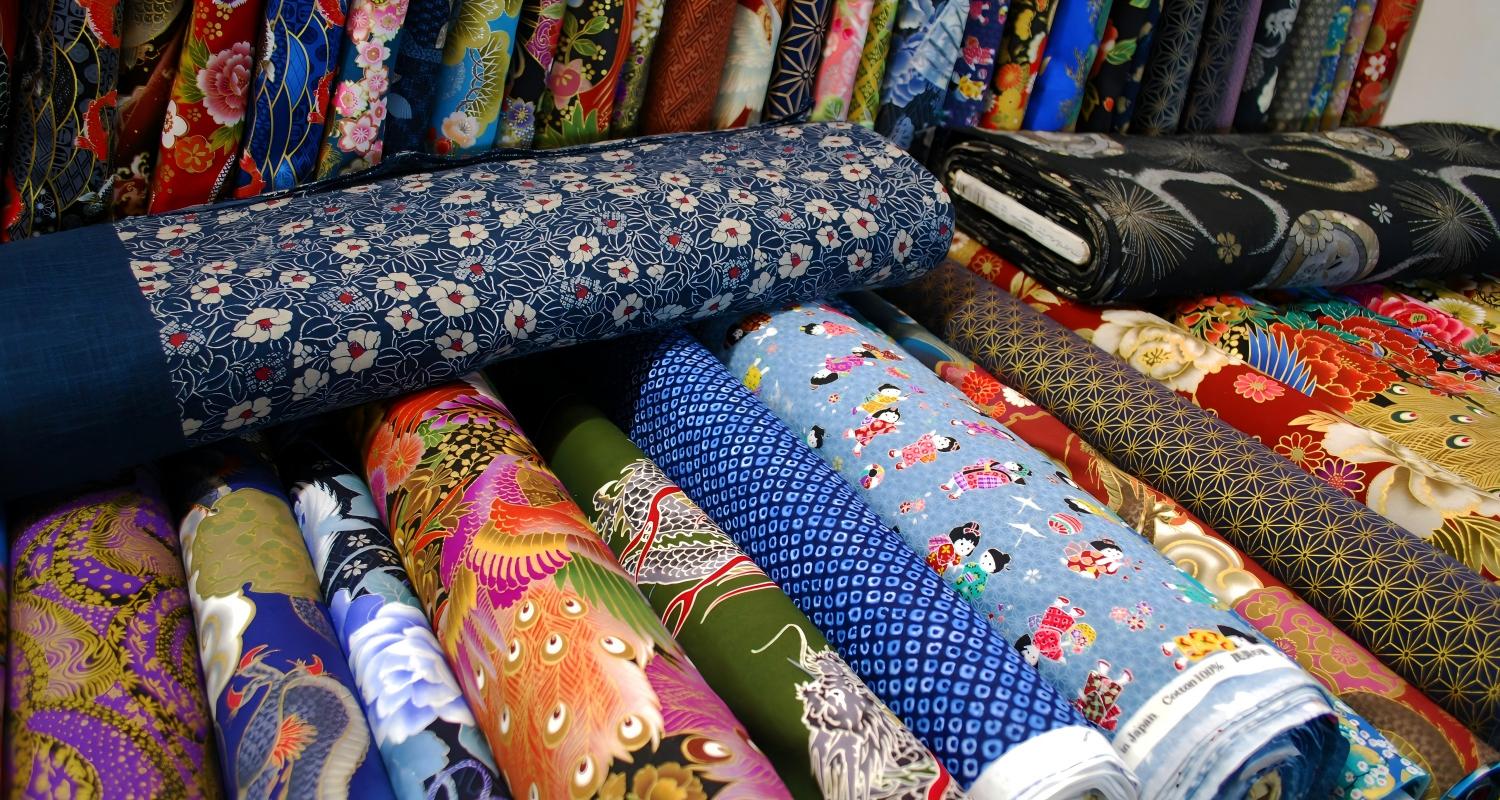
Fashion moves fast. A style that sells well today may lose demand a few weeks later. At the same time, brands must control inventory, manage cash flow, and keep launching fresh products. Because of this, a flexible supply chain has become a key advantage for modern fashion brands.
A flexible fashion supply chain allows brands to change production plans based on real customer demand. Instead of making large quantities months in advance, brands can test products, monitor sales, reorder best sellers, and adjust new collections more quickly.
For growing fashion brands, this approach can reduce risk while creating more room for growth.
What Is a Flexible Supply Chain in Fashion Manufacturing?
A flexible supply chain is a production system that can respond quickly when demand, product plans, materials, or order volumes change.
In fashion manufacturing, flexibility can include:
- Flexible minimum order quantities (MOQ)
- Fast fabric sourcing
- Quick sample development
- Short production lead times
- Small-batch production
- Quick reorder options
- Flexible product development
- OEM and ODM manufacturing
- Scalable bulk production
For example, a brand may start with a small batch of a new mini skirt. If customers respond well, the brand can reorder more units. If the product does not perform well, the brand avoids being left with a large amount of unsold stock.
Therefore, supply chain flexibility helps brands connect production more closely with real market demand.
Why Fashion Brands Need Supply Chain Flexibility
Fashion demand is difficult to predict. Trends can change quickly, while seasonal products have a limited selling window.
A rigid supply chain often requires brands to commit to large orders early. This can create several problems:
- High inventory risk
- Slow response to trends
- Large upfront costs
- Overstock after a weak launch
- Missed sales when best sellers sell out
- Longer product development cycles
By contrast, a flexible supply chain gives brands more control.
Brands can start small, collect sales data, and then make better production decisions. As a result, they can reduce unnecessary inventory while keeping popular products available.
Flexible MOQ Helps Fashion Brands Reduce Inventory Risk
Minimum order quantity is one of the most important parts of a flexible apparel supply chain.
Large MOQs can be difficult for startups, boutique brands, and online fashion stores. If a brand orders too many units before testing demand, unsold inventory can tie up cash for months.
A flexible MOQ approach allows brands to:
- Test new styles
- Launch seasonal collections
- Try different colors or fabrics
- Reduce initial inventory
- Study customer feedback
- Increase production after a successful launch
Jincheng Fashion supports flexible production for fashion brands and lists an MOQ of 100 pieces per style on its website. Its manufacturing model is designed to support both small-batch trials and larger production runs.
This is especially useful for brands that want to grow step by step rather than commit to large quantities from the beginning.
Faster Fabric Sourcing Creates a More Flexible Fashion Supply Chain
Fabric is an important part of the apparel supply chain. If fabric sourcing takes too long, the entire production schedule can slow down.
Jincheng Fashion is located in Guangzhou, close to major fabric markets. The company states that its location allows fabric sourcing within one day in suitable cases, supporting faster sourcing and sampling. Its team also works with suppliers for customized printing.
This creates an important advantage for fashion brands.
For example, when a brand needs a new stretch fabric for activewear or a special print for a seasonal dress collection, faster sourcing can help move the project forward sooner.
Therefore, a strong local supplier network is an important part of supply chain flexibility.
Quick Sampling Helps Brands Test New Fashion Products
Product development is another area where flexibility matters.
Before placing a bulk order, brands need to check:
- Fabric
- Fit
- Measurements
- Construction
- Color
- Logo placement
- Overall appearance
Fast sampling allows brands to identify problems before mass production begins.
Jincheng Fashion provides fabric sourcing, design support, pattern development, sample making, and bulk production as part of its OEM and ODM services. The company also promotes fast sampling and rapid production for fashion brands.
As a result, brands can move from an idea to a tested product with fewer delays.
Short Lead Times Improve Fashion Brand Response Speed
Speed matters because fashion demand changes quickly.
Suppose a brand identifies a rising trend. A slow manufacturer may need several weeks just to prepare materials and samples. By then, the trend may have already peaked.
A manufacturer with a more flexible production system can help reduce this gap.
Jincheng Fashion currently describes its short-lead-time services as including fast sampling, short bulk production times, low MOQ options, and stable fabric sourcing. Its published production information gives typical sample and bulk timelines depending on the project.
Faster production can help brands:
- Identify an opportunity.
- Develop a sample.
- Test the product.
- Launch a small quantity.
- Track sales.
- Reorder successful products.
- Scale production when demand is proven.
This process is much more flexible than producing a large collection based only on forecasts.
Quick Reorder Helps Brands Keep Best Sellers in Stock
Flexibility is not only about launching new products. It is also about replenishing products that already sell well.
Imagine a boutique launches a new maxi dress. The first batch sells faster than expected. If the factory cannot produce another batch quickly, the brand may lose sales while customers wait.
Quick reorder production can help solve this problem.
A flexible manufacturer can support brands by making repeat orders easier to manage. This allows brands to keep successful products available without producing huge quantities in advance.
For fashion retailers, this creates a better balance between availability and inventory control.
Jincheng Fashion highlights quick reorder production and flexible production schedules as part of the advantages associated with China's mature apparel supply chain.
OEM and ODM Manufacturing Support Supply Chain Flexibility
OEM and ODM services provide different ways for brands to build products.
OEM manufacturing is suitable when a brand already has its own design, tech pack, or reference sample. The manufacturer focuses on producing the garment according to the brand's specifications.
ODM manufacturing provides more development support. A manufacturer can offer existing designs, trend-based ideas, fabric options, and customization.
Jincheng Fashion offers both OEM and ODM services. Its website states that its in-house design team develops more than 200 styles monthly, while its OEM service supports customized designs.
This gives brands more than one way to develop products.
For example, an established brand can use OEM production for its own designs, while a growing boutique can use ODM styles as a starting point and make selected changes.
Flexible Supply Chains Support Different Fashion Products
A flexible clothing manufacturer should be able to support different product categories as a brand grows.
Jincheng Fashion focuses on women's clothing and supports product categories such as:
- Dresses and maxi dresses
- Party and evening dresses
- Mini skirts
- Yoga sets and activewear
- Casual women's clothing
- Private label apparel
Its product and manufacturing services also include custom digital printing, embroidery, appliqué, labels, and packaging development.
This broad product support can be useful for brands that want to expand from one category into several without building a completely new supplier network.
How Flexible Manufacturing Can Improve Cash Flow
Inventory is not only a storage problem. It is also a cash flow problem.
When a brand buys too much stock, money is locked into products that may take months to sell. However, when a brand produces smaller quantities and reorders based on demand, capital can be used more efficiently.
For example:
Traditional model:
Large forecast → Large production → Large inventory → Slow sales → Discounting
Flexible model:
Small test order → Market feedback → Reorder best sellers → Scale production → Lower inventory risk
The second model does not remove all business risk. However, it can make production decisions more closely connected to actual sales.
Flexible Supply Chains Help Brands Respond to Fashion Trends
Trend response is one of the biggest reasons fashion brands need flexible manufacturing.
A trend can start on social media, grow through influencers, and quickly appear in online stores. Brands that can develop and produce related products faster may have a better chance of capturing demand.
Guangzhou provides a useful manufacturing environment for this approach because of its mature apparel ecosystem and access to fabric, trims, pattern-making, and production resources.
Jincheng Fashion's location near major fabric markets further supports rapid sourcing and sampling.
Therefore, supply chain flexibility is closely connected to a brand's ability to respond to market changes.
Flexible Production Does Not Mean Lower Quality
Speed alone is not enough.
If a factory produces quickly but quality changes from one order to another, brands may face returns, complaints, and damage to their reputation.
For this reason, quality control should remain part of a flexible supply chain.
Jincheng Fashion states that its quality control process includes raw material inspection, production-line monitoring, final inspection, and regular product testing. It also lists three rounds of quality inspections and an on-time delivery rate of at least 98% among its service guarantees.
The goal should therefore be fast and consistent production, rather than simply fast production.
How Jincheng Fashion Supports a Flexible Apparel Supply Chain
For fashion brands looking for a flexible clothing manufacturing partner, Jincheng Fashion provides several supply chain capabilities in one production system.
Its services include:
- OEM clothing manufacturing
- ODM clothing manufacturing
- Fabric sourcing
- Design and product development
- Fast sample making
- Bulk apparel production
- Flexible MOQ
- Custom digital printing
- Embroidery and appliqué
- Custom labels and packaging
- Quality inspection
- Private label clothing production
Because these services are connected, brands do not need to manage every stage through separate suppliers. Jincheng Fashion describes its model as a one-stop manufacturing solution covering fabric sourcing, design, sampling, bulk production, and QC.
This integrated approach can reduce communication steps and make production easier to manage.
How to Choose a Flexible Clothing Manufacturer
When comparing clothing manufacturers, price should not be the only factor.
Instead, fashion brands should check several key areas:
Flexible MOQ and Order Quantities
Can the manufacturer support small trial orders and larger repeat orders?
Fabric Sourcing Speed
Can the supplier quickly find suitable fabrics, colors, prints, and trims?
Sampling Capability
How quickly can samples be developed and revised?
Production Lead Time
Can the factory respond when a product needs to move quickly?
Quick Reorder Capability
Can successful products be replenished without starting the entire process again?
Quality Control
Does the factory inspect fabric, production, measurements, and finished garments?
OEM and ODM Support
Can the manufacturer support both custom designs and product development?
Private Label Services
Can the supplier handle labels, branding, packaging, printing, and embroidery?
These factors together provide a better picture of supply chain flexibility than unit price alone.
Conclusion: Build a More Flexible Fashion Supply Chain
A flexible supply chain gives fashion brands more control in an unpredictable market.
With flexible MOQ, faster fabric sourcing, quick sampling, short lead times, and quick reorder support, brands can test products before committing to large quantities. In addition, they can respond faster when demand changes.
Most importantly, flexibility can help brands balance speed, inventory, cash flow, and growth.
For brands looking for an integrated apparel manufacturing partner, Jincheng Fashion combines OEM and ODM services with fabric sourcing, sampling, bulk production, quality control, private label options, and flexible production support. Its Guangzhou location also provides fast access to a mature fashion supply chain.
In today's fashion market, the strongest supply chain is not always the one


