Sustainable Fabric Sourcing Guide: How to Choose Eco-Friendly Fabrics for Clothing Brands
News Details
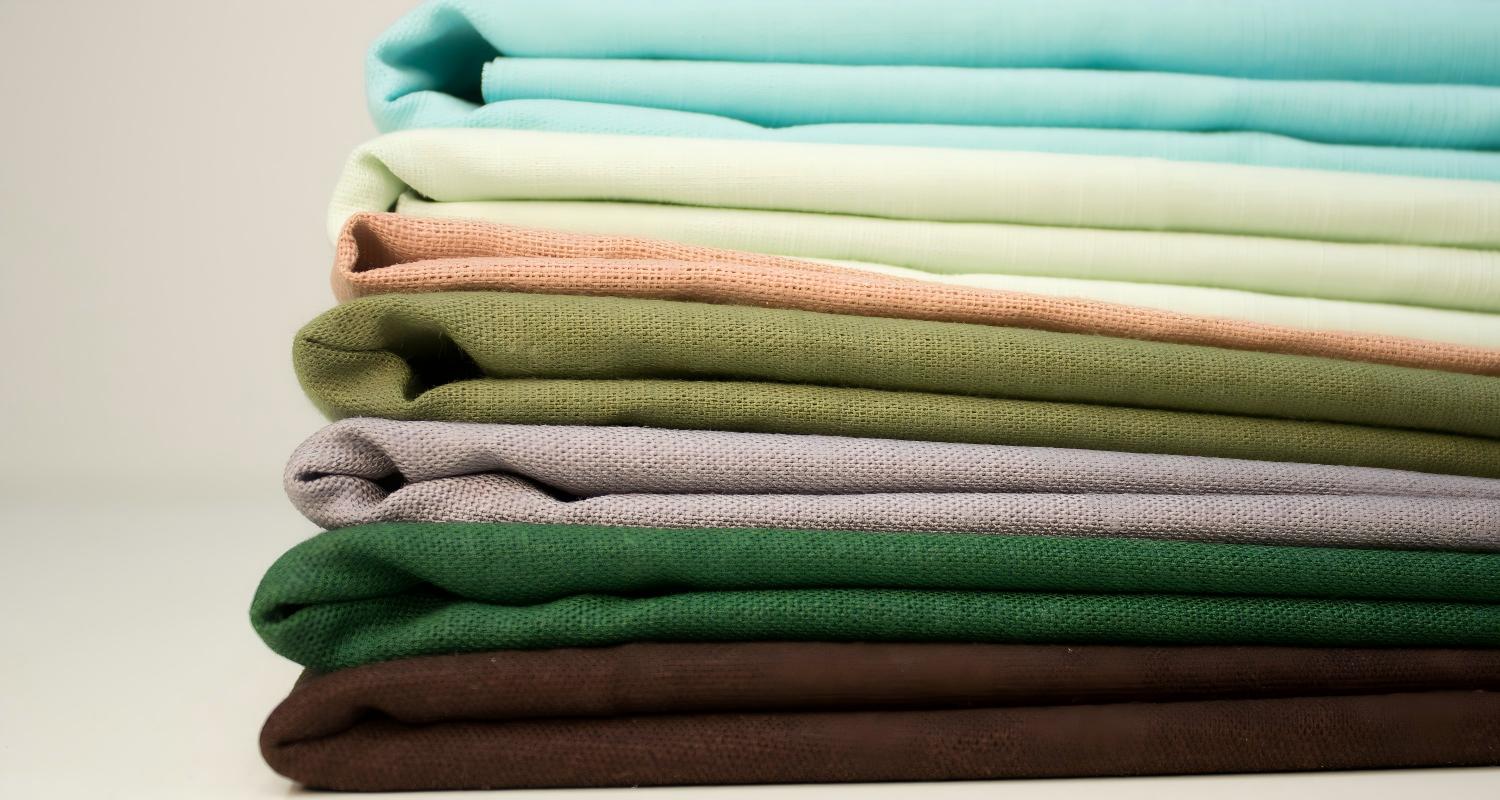
Sustainable fabric sourcing is becoming an important part of modern apparel production. For fashion brands, choosing the right fabric can affect product quality, cost, comfort, and environmental impact. However, sustainable sourcing is not simply about choosing a fabric labeled “eco-friendly.” Instead, brands need to look at fiber content, certifications, production methods, durability, supplier transparency, and the final use of the garment.
Therefore, a clear sustainable fabric sourcing process can help brands make better decisions. It can also reduce material waste, control production costs, and create clothing that meets growing customer expectations.
For brands developing dresses, skirts, activewear, or private label collections, working with an experienced clothing manufacturer can make fabric sourcing much easier. Jincheng Fashion, a women's clothing manufacturer in Guangzhou, provides fabric sourcing, design, sampling, bulk production, and quality control as part of its OEM and ODM services.
What Is Sustainable Fabric Sourcing for Fashion Brands?
Sustainable fabric sourcing means selecting materials with lower environmental and social impact while still meeting the needs of the final garment.
In practice, this means looking beyond price and appearance. A brand should consider:
- Fiber origin
- Water and energy use
- Chemical use
- Recycled or renewable content
- Fabric durability
- Supplier transparency
- Relevant certifications
- Production waste
- End-of-life options
For example, organic cotton can be a strong choice for breathable casual clothing. Recycled polyester can work well when a brand needs durability and moisture resistance. Linen can be useful for lightweight summer collections.
However, there is no single “best” sustainable fabric for every product. The right choice depends on the garment's design, target customer, price point, and performance needs.
Why Sustainable Fabric Sourcing Matters for Clothing Brands
First, fabric usually makes up a major part of a garment's material cost. Therefore, the material decision affects both product quality and profit margin.
Second, customers are paying more attention to how clothing is made. Clear information about fabric composition and sourcing can help brands build trust.
Third, sustainable materials can support a stronger brand position. For example, a resortwear brand may use linen or organic cotton to support a natural summer look. Meanwhile, an activewear brand may prefer recycled synthetic fibers for stretch, durability, and quick-dry performance.
Finally, better fabric planning can reduce production waste. When brands select suitable materials before sampling, they can avoid repeated development and unnecessary fabric consumption.
Jincheng Fashion emphasizes transparent and sustainable production, including control of materials, sourcing, production, and packaging.
Sustainable Fabric Types for Clothing Manufacturing
There are several fabric groups that brands can consider when building a more sustainable collection.
Organic Cotton for Sustainable Clothing
Organic cotton is a popular option for casual clothing because it is soft, breathable, and comfortable.
It can work well for:
- Casual dresses
- T-shirts
- Lightweight skirts
- Loungewear
- Summer clothing
When sourcing organic cotton, however, brands should check certification and supply chain information rather than relying only on marketing claims.
Recycled Polyester for Activewear and Fashion
Recycled polyester is made from recycled polyester materials, often including post-consumer plastic.
Because polyester offers good strength, shape retention, and moisture management, recycled polyester can be useful for:
- Yoga sets
- Leggings
- Sports bras
- Activewear tops
- Lightweight performance clothing
For activewear brands, fabric performance remains essential. Sustainable material choices should still provide the stretch, recovery, breathability, and durability that customers expect.
Jincheng Fashion offers yoga clothing and activewear, including breathable quick-dry yoga sets and sports styles.
Linen and Linen Blends for Summer Clothing
Linen is a natural fiber that works especially well for warm-weather apparel.
It is suitable for:
- Summer dresses
- Beach dresses
- Resortwear
- Casual skirts
- Lightweight tops
Linen blends can also improve softness, drape, or wrinkle performance while maintaining a natural fabric feel.
For brands developing summer collections, linen and linen blends can therefore provide both a natural look and strong seasonal appeal.
LENZING™ ECOVERO™ Viscose for Sustainable Dresses
Viscose can create soft, fluid garments with attractive drape. Certain branded viscose fibers, such as LENZING™ ECOVERO™, are designed with sustainability considerations.
These fabrics can work well for:
- Maxi dresses
- Summer dresses
- Flowy skirts
- Blouses
- Resortwear
Jincheng Fashion has also highlighted LENZING™ ECOVERO™, organic cotton, recycled polyester blends, and linen blends as material options for sustainable women's summer clothing.
How to Evaluate Sustainable Fabrics Before Ordering
Choosing a fabric should be a structured process. Instead of selecting materials only from photos or swatches, brands should review several factors.
Check Fabric Composition and Fiber Content
Start with the exact fiber composition.
For example:
- 100% organic cotton
- Recycled polyester blend
- Linen-viscose blend
- Recycled nylon blend
- Certified viscose
A clear composition makes it easier to compare suppliers and products.
Check Fabric Certifications
Certifications can provide additional evidence about material claims.
Depending on the fabric, brands may review certifications such as:
- OEKO-TEX® Standard 100
- GOTS
- GRS
- FSC
- Responsible textile standards
However, the relevant certification depends on the material and the claim being made. Brands should always verify whether the certificate applies to the specific fabric and supplier.
Jincheng Fashion lists OEKO-TEX Standard 100 among its general service guarantees.
Test Fabric Performance
Sustainability should never replace garment performance.
Before bulk production, test factors such as:
- Shrinkage
- Color fastness
- Stretch and recovery
- Pilling
- Fabric strength
- Breathability
- Weight
- Hand feel
- Opacity
This step is especially important for activewear and fitted garments.
For example, a sustainable yoga fabric still needs to be comfortable, flexible, and squat-proof. Similarly, a sustainable dress fabric should provide the right drape and opacity for its design.
Review Supplier Transparency
A sustainable fabric is only one part of the supply chain.
Brands should also ask suppliers:
- Where is the fabric made?
- Who supplies the yarn?
- Is the material certified?
- What dyeing process is used?
- How is production waste handled?
- Can the supplier provide test reports?
- Can the same fabric be reordered later?
As a result, supplier transparency can be just as important as the fabric label itself.
Sustainable Fabric Sourcing Process for Private Label Clothing
A simple sourcing process can make sustainable product development faster and safer.
Step 1: Define the Garment Requirements
First, identify the product.
For example, a maxi dress may need a soft fabric with good drape. A yoga set may need high stretch and strong recovery. A mini skirt may require structure and shape retention.
Step 2: Set Your Sustainability Goals
Next, decide what sustainability means for the product.
Your target could include:
- Recycled fibers
- Organic fibers
- Certified materials
- Lower material waste
- Better supplier transparency
- Longer product life
This prevents sustainability from becoming an unclear marketing term.
Step 3: Compare Fabric Options
Then compare several fabrics based on:
Cost + quality + performance + sustainability + availability
Do not choose a fabric based on sustainability alone. A material that performs poorly may lead to returns, waste, and shorter product life.
Step 4: Request Fabric Swatches
Always review physical samples before approval.
Check the fabric under normal lighting and test its weight, stretch, texture, color, and drape.
Step 5: Make a Garment Sample
After selecting the fabric, make a complete garment sample.
This allows the brand to see how the fabric behaves in the actual design.
Step 6: Test and Approve the Fabric
Once the sample is complete, test the material and confirm the final specifications.
Only after approval should the brand move into bulk production.
How Guangzhou Fabric Sourcing Can Support Sustainable Clothing Production
Location can make a major difference in fabric sourcing speed.
Jincheng Fashion is located in Guangzhou and states that it is around 30 minutes from a major fabric market. Its sourcing team visits fabric markets daily and can source fabrics within one day, which supports faster sampling and product development.
This is particularly useful for brands that need to compare several sustainable materials quickly.
Instead of waiting weeks for fabric options, buyers can review multiple materials, request samples, adjust the design, and move toward production faster.
At the same time, Guangzhou's broad textile supply chain provides access to many fabric and trim options. Jincheng Fashion combines this sourcing advantage with OEM/ODM services, including fabric sourcing, design, sampling, bulk production, and QC.
Sustainable Fabric Sourcing for Dresses, Skirts, and Activewear
Different product categories need different materials.
Sustainable Fabric for Women's Dresses
For dresses, brands can consider:
- Organic cotton
- Linen
- Linen blends
- Sustainable viscose
- Recycled polyester blends
The final choice should depend on the silhouette.
For example, flowing maxi dresses need good drape, while structured mini dresses may need more body and shape retention.
Jincheng Fashion produces a wide range of women's dresses, including maxi dresses, embroidered dresses, casual dresses, and party styles.
Sustainable Fabric for Mini Skirts
Mini skirts often need fabrics with enough structure to hold the shape.
Depending on the design, options can include:
- Organic cotton
- Recycled polyester
- Recycled cotton blends
- Sustainable viscose blends
- Recycled denim materials
For private label brands, fabric choice should also match the target price and production volume.
Sustainable Fabric for Yoga Sets and Activewear
Activewear needs more technical performance.
Important properties include:
- Stretch
- Recovery
- Moisture management
- Breathability
- Durability
- Opacity
- Soft hand feel
Recycled polyester and recycled nylon can be useful options for performance clothing when the required technical properties are met.
Jincheng Fashion supports custom yoga sets and activewear, including quick-dry styles and performance-focused products.
How to Reduce Fabric Waste During Clothing Production
Sustainable sourcing should also consider what happens during cutting and production.
A good production plan can reduce waste through:
- Better pattern placement
- Accurate fabric width planning
- Efficient cutting layouts
- Reusing suitable fabric leftovers
- Smaller trial orders
- More accurate demand planning
Jincheng Fashion has introduced a zero-waste production line and reports that its approach can reduce fabric waste by up to 30% compared with traditional production methods. The company also highlights the use of organic cotton, LENZING™ ECOVERO™, recycled polyester blends, and linen blends for women's summer apparel.
For emerging brands, this approach can be especially useful because lower waste can support better material efficiency without requiring large initial production runs.
Sustainable Fabric Sourcing and MOQ for Emerging Brands
Sustainability does not always require large orders.
In fact, smaller trial orders can help brands test a new fabric before committing to large-scale production.
Jincheng Fashion lists an MOQ of 100 pieces per style and supports both small-batch trials and larger production orders.
This can help emerging brands:
- Test customer


