How Can You Avoid Quality Issues in Custom Clothing Orders?
News Details
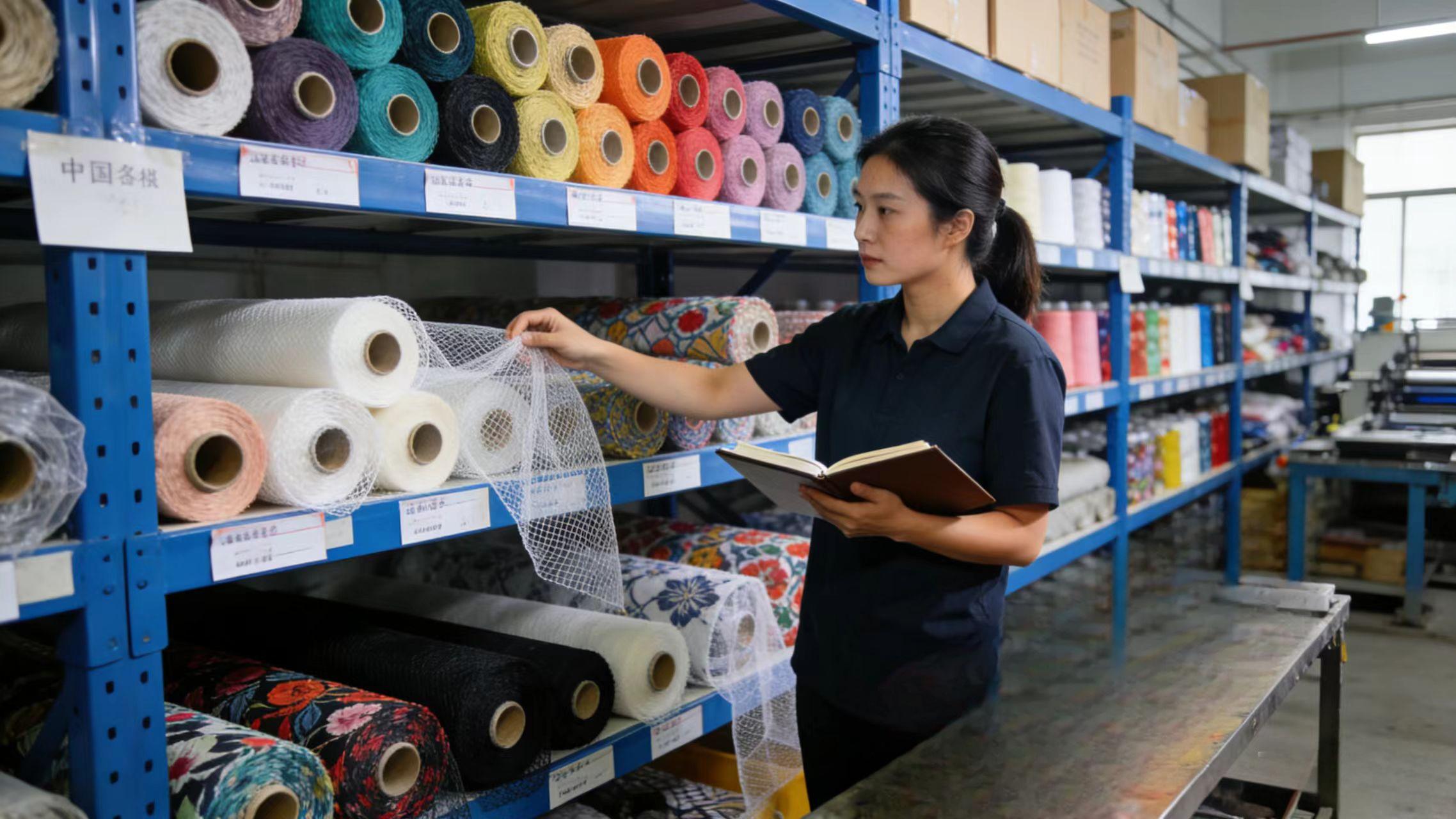
Quality issues are one of the biggest risks in custom clothing orders — and once bulk production is finished, they are often expensive or impossible to fix.
The good news is that most quality problems in custom apparel manufacturing are preventable. By understanding where issues usually start and how to control each stage, brands can significantly reduce risk and protect their reputation.
Start with a Fully Approved Sample
A sample is not just a reference — it is the standard.
Before moving to bulk production, make sure:
-
Fit, measurements, and proportions are fully approved
-
Fabric, color, and trims are confirmed
-
Stitching and construction details meet expectations
Never rush sample approval. A “nearly correct” sample often leads to major quality problems later.
Confirm Fabric Quality Before Production
Fabric-related issues are among the most common causes of customer complaints.
To avoid problems:
-
Test fabric for shrinkage and colorfastness
-
Confirm fabric weight, stretch, and hand-feel
-
Approve fabric swatches from the same batch used for production
Changing fabric after sampling almost always increases quality risk.
Provide Clear and Detailed Specifications
Unclear instructions lead to inconsistent results.
Brands should provide:
-
Accurate size charts and grading rules
-
Clear construction notes
-
Tolerance standards for measurements
The clearer the specifications, the less room there is for interpretation during production.
Avoid Last-Minute Changes
Late changes are a major source of quality problems.
Adjustments to fabric, measurements, or design details after production has started often result in inconsistency within the same order. If changes are necessary, discuss the impact on quality, cost, and delivery before proceeding.
Maintain Clear and Timely Communication
Delayed feedback can stop production or force factories to make assumptions.
Respond quickly to:
-
Sample feedback
-
Fabric or trim confirmations
-
Quality-related questions
Strong communication keeps production aligned with expectations.
Conduct Final Inspection Before Shipment
Final inspection is your last safeguard.
Check:
-
Measurements and size consistency
-
Fabric defects and stitching quality
-
Labeling, packaging, and finishing
This step ensures the products you receive match the approved standard.
Why Quality Control Is a Shared Responsibility
Avoiding quality issues is not only the factory’s job.
Successful custom clothing orders rely on:
-
Clear preparation from brands
-
Structured processes from factories
-
Mutual accountability at every stage
When both sides take quality seriously, results improve dramatically.
Final Thoughts
Quality problems don’t happen by accident — they happen due to gaps in preparation, communication, or process.
By approving samples carefully, confirming fabrics, controlling production quality, and working with an experienced OEM & ODM clothing factory, brands can avoid most quality issues before they ever reach the customer.
In custom clothing, prevention is always better than correction.


