What Should You Prepare Before Starting a Custom Clothing Project?
News Details
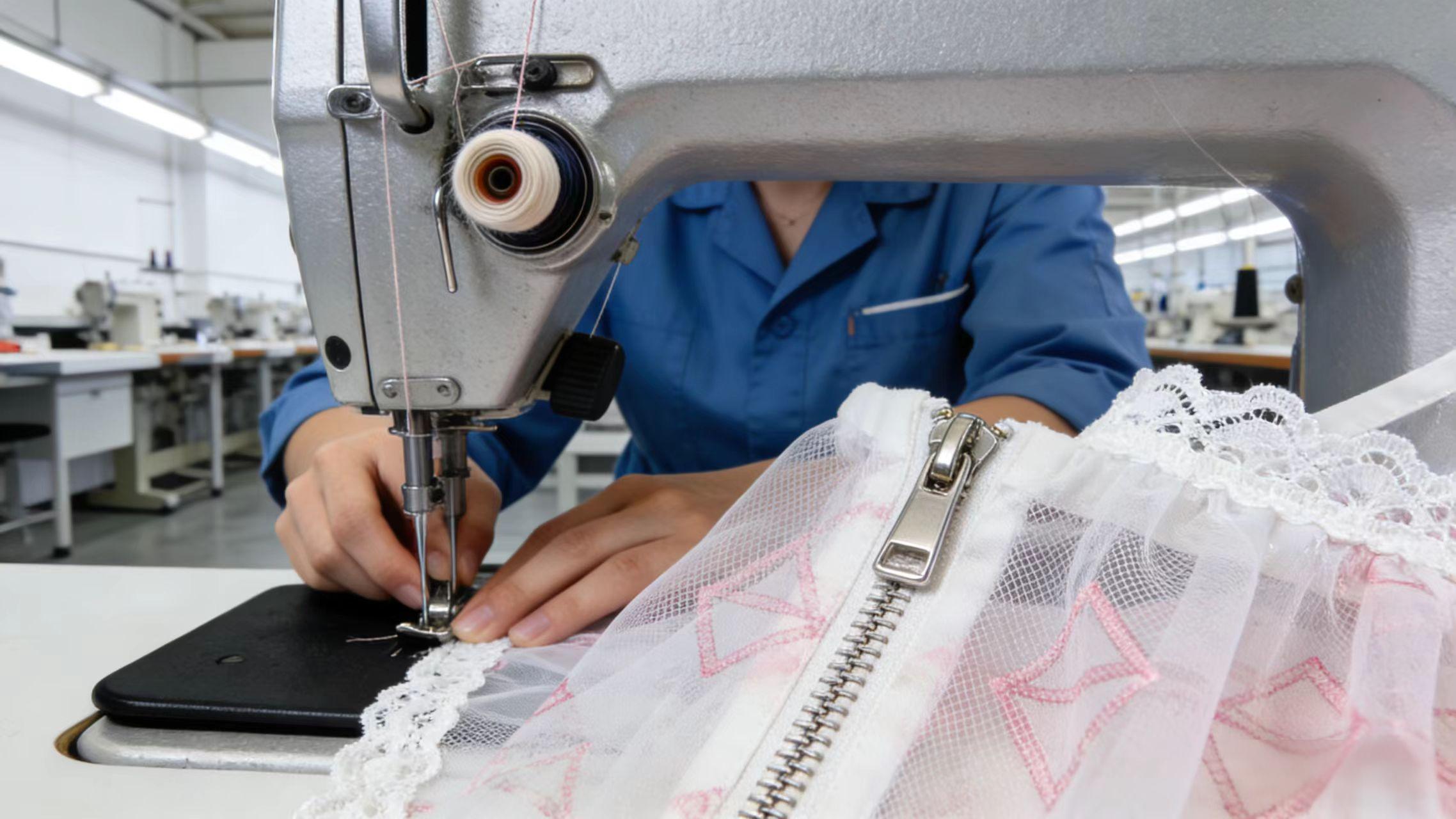
Starting a custom clothing project can be exciting — but without proper preparation, it can quickly become time-consuming and costly.
Whether you’re launching a new brand or developing a new collection, preparing the right information before contacting an OEM & ODM clothing factory will save time, reduce mistakes, and lead to better production results.
Here’s what you should prepare before your custom clothing project begins.
1. Clear Design Ideas or References
You don’t need perfect designs — but you do need clarity.
Prepare one or more of the following:
-
Tech packs or flat sketches
-
Reference photos of similar styles
-
Notes on fit, length, and key details
The clearer your vision, the easier it is for the factory to understand your expectations and provide accurate samples, pricing, and timelines.
2. Target Market and Brand Positioning
Factories don’t just produce garments — they make products for specific markets.
Before starting, define:
-
Who your target customer is
-
Which market you’re selling to (US, EU, Middle East, etc.)
-
Your expected retail price range
This helps the factory recommend suitable fabrics, construction methods, and cost structures that match your brand positioning.
3. Fabric Preferences and Quality Expectations
Fabric choice affects everything — cost, fit, appearance, and durability.
Prepare:
-
Preferred fabric types (cotton, chiffon, satin, knit, woven, etc.)
-
Weight, stretch, or hand-feel requirements
-
Any quality standards or testing needs
If you’re unsure, a professional OEM & ODM factory can suggest options — but having a general direction speeds up the process.
4. Expected Quantity and Budget Range
Many production decisions depend on quantity.
Before starting, know:
-
Estimated order quantity per style
-
Whether you need small-batch or bulk production
-
Your target cost range
This allows the factory to advise on MOQ, pricing, and production feasibility early — avoiding surprises later.
5. Timeline and Launch Plan
Custom clothing takes time, especially with sampling and revisions.
Prepare a realistic timeline:
-
Desired sample deadline
-
Target production start
-
Expected delivery date
Sharing your launch plan helps factories schedule production properly and give you honest lead-time estimates.
6. Branding and Customization Requirements
If your garments require branding, prepare details such as:
-
Logo files
-
Label and hangtag preferences
-
Packaging requirements
These details affect sourcing, costing, and production planning and should be discussed early.
7. Questions for Your OEM & ODM Factory
Good preparation also means asking the right questions:
-
What is the typical sampling timeline?
-
How many revisions are included?
-
How is quality controlled during production?
-
What happens if issues arise during bulk production?
Clear communication builds strong partnerships from the start.
Why Preparation Matters
Most problems in custom apparel manufacturing come from unclear expectations, rushed decisions, or missing information.
When brands prepare properly:
-
Sampling becomes faster
-
Costs stay more stable
-
Production runs smoother
-
Quality improves
Preparation is not extra work — it’s risk control.
Final Thoughts
A successful custom clothing project starts long before production begins.
By preparing clear designs, understanding your market, setting realistic budgets and timelines, and working with an experienced OEM & ODM clothing factory, you create the foundation for smooth manufacturing and long-term success.
The better the preparation, the better the results.


