How to Choose a Reliable Clothing Manufacturer in China
News Details
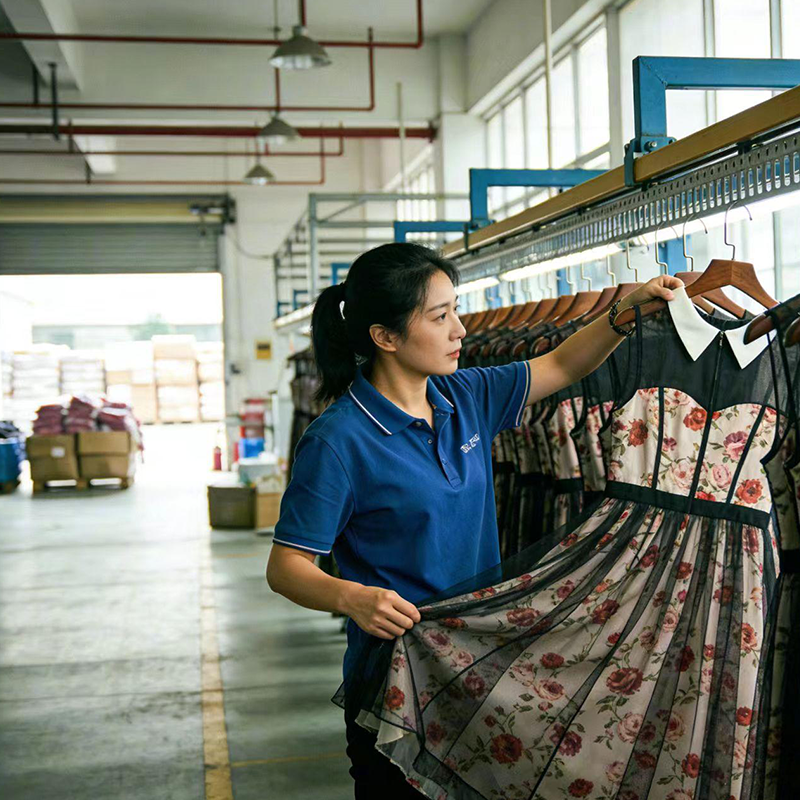
China remains one of the world’s leading apparel manufacturing hubs. With advanced supply chains, competitive pricing, and strong production capacity, it’s no surprise that thousands of fashion brands source from China every year.
But here’s the challenge:
Not all clothing manufacturers are equal.
Choosing the right factory can determine whether your brand grows smoothly—or struggles with delays, quality issues, and costly mistakes.
If you're looking to partner with a clothing manufacturer in China, here’s a practical guide to help you make the right decision.
1. Check If the Factory Specializes in Your Product Category
One of the biggest sourcing mistakes brands make is choosing a “general” factory.
A manufacturer that focuses on:
-
women’s dresses
-
activewear
-
plus size clothing
-
yoga wear
-
knitwear
-
woven garments
will have different expertise, machinery, and pattern-making experience.
Always ask:
-
What products do you specialize in?
-
Can you share similar styles you’ve produced before?
-
Do you have experience in my target market (US, Europe, Australia)?
A specialized factory usually means better fit, fewer sampling revisions, and smoother bulk production.
2. Evaluate Their Pattern Making and Sampling Ability
In clothing production, everything starts with pattern making.
A reliable Chinese manufacturer should:
-
develop patterns based on tech packs
-
adjust fit according to your size chart
-
provide professional suggestions
-
revise samples efficiently
If sampling takes too long or revisions are messy, bulk production will likely be problematic as well.
Ask for:
-
Sample lead time
-
Revision policy
-
Pattern development process
Professional factories treat sampling as the foundation of quality control.
3. Assess Communication Speed and Clarity
Good communication is just as important as good sewing.
Reliable manufacturers in China should:
-
respond within 24 hours (on business days)
-
clearly explain production details
-
confirm measurements and fabric specs in writing
-
provide clear pricing breakdown
If communication is slow or unclear during early discussions, it will likely worsen during production.
A trustworthy partner values transparency.
4. Understand MOQ and Production Flexibility
Different factories have different MOQ (Minimum Order Quantity) requirements.
Ask:
-
What is your MOQ per style?
-
Can you support small batch production?
-
Do you accept mixed sizes or colors?
Some factories only focus on large wholesale orders, while others support startups and growing brands with flexible MOQ solutions.
If you are a new brand, production flexibility can be a major advantage.
5. Review Quality Control Process
Quality issues often appear during bulk production—not during sampling.
A reliable clothing manufacturer should have:
-
Fabric inspection before cutting
-
Inline production inspection
-
Final quality check before packing
-
Clear measurement tolerance standards
Ask them:
-
How do you control shrinkage?
-
How do you prevent color fading?
-
What is your inspection standard?
Factories that confidently explain their QC process are usually more reliable.
6. Verify Location and Supply Chain Strength
China has multiple apparel production hubs, such as:
-
Guangzhou
-
Shenzhen
-
Hangzhou
-
Ningbo
-
Dongguan
For example, Guangzhou is known for women’s fashion and quick access to large fabric markets. Being close to material suppliers allows factories to source fabrics quickly and react to trends faster.
Location matters because it affects:
-
Fabric availability
-
Lead time
-
Development speed
-
Export efficiency
7. Ask for Production Timeline Transparency
Delays are one of the biggest frustrations in fashion sourcing.
Before placing bulk orders, confirm:
-
Sample lead time
-
Bulk production lead time
-
Shipping options
-
Peak season capacity
Reliable manufacturers will provide realistic timelines instead of overpromising.
8. Look for Long-Term Partnership Potential
Price is important—but reliability is more valuable.
The cheapest supplier may lead to:
-
inconsistent sizing
-
quality complaints
-
delayed shipments
-
higher return rates
Instead of choosing based only on cost, evaluate:
-
Share to:


 Quality Control Process in Our Clothing FactorySquare Neckline Maxi Dresses Are Trending: Why This Fit-and-Flare Style Looks So Elegant


