Quality Control Process in Our Clothing Factory
News Details
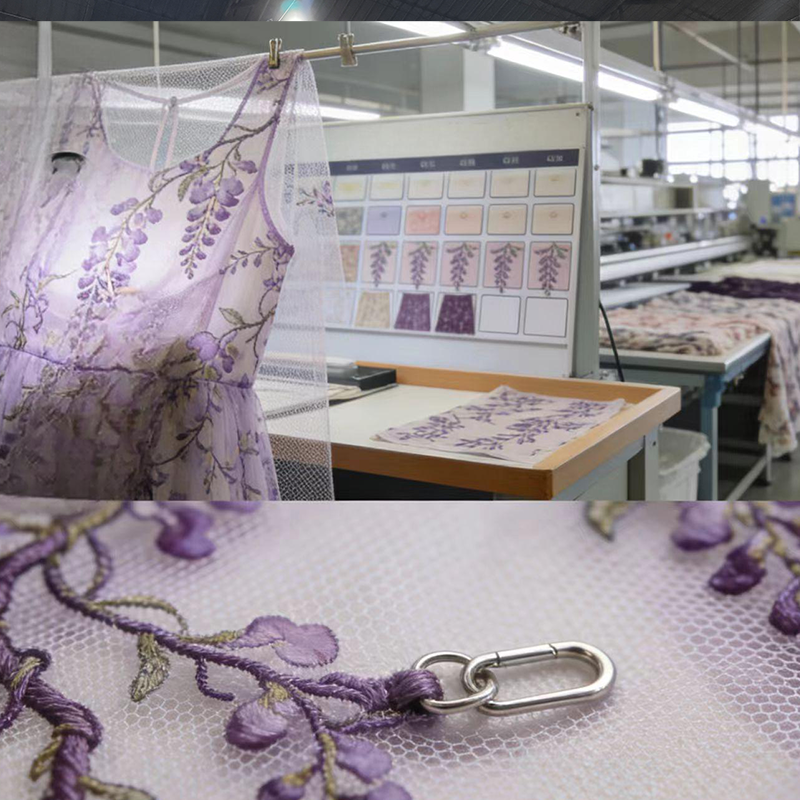
In the apparel industry, quality is not just about how a garment looks when it’s finished. True quality means consistency, durability, accurate sizing, and performance after repeated wear and washing.
In our clothing factory, quality control is not a final step — it is a system integrated into every stage of production. From fabric inspection to final packing, we follow strict procedures to ensure every garment meets our clients’ standards.
Here’s how our quality control process works.
1. Fabric Inspection Before Production
Quality begins with raw materials.
Before cutting starts, all fabrics go through inspection to check:
-
Fabric defects (holes, stains, weaving flaws)
-
Color consistency
-
Fabric weight (GSM) accuracy
-
Stretch and recovery performance
-
Shrinkage rate testing
By identifying issues at this early stage, we prevent large-scale production problems later.
2. Pattern & Sample Confirmation
Before bulk production, we confirm all measurements and construction details through sample approval.
During this stage, we:
-
Verify size charts
-
Check garment proportions
-
Test fit accuracy
-
Confirm stitching construction
-
Review fabric behavior after washing
Only after sample approval from the client do we proceed to mass production.
This step minimizes risk and ensures alignment with brand expectations.
3. Cutting Process Control
Accurate cutting is critical for size consistency.
Our team ensures:
-
Fabric layers are aligned correctly
-
Cutting markers follow approved patterns
-
Measurement tolerances are controlled
-
Fabric direction and stretch orientation are correct
Precise cutting reduces sizing variation and improves overall garment symmetry.
4. In-Line Production Inspection
Quality control does not wait until the end.
During sewing, our QC team performs in-line inspections to check:
-
Seam strength
-
Stitch density
-
Thread tension
-
Alignment of panels
-
Waistband attachment accuracy
-
Pocket placement
-
Zipper installation
If any issue is found, corrections are made immediately to avoid repeating defects.
5. Measurement & Fit Verification
Random pieces from each production batch are measured to ensure they meet size specifications.
We check:
-
Bust, waist, hip measurements
-
Garment length
-
Sleeve length
-
Inseam (for leggings/pants)
-
Neckline depth
Tolerance standards are strictly followed to maintain size consistency across bulk orders.
6. Washing & Performance Testing (When Required)
For activewear and high-performance garments, we conduct additional tests such as:
-
Wash durability tests
-
Color fastness testing
-
Stretch recovery testing
-
Pilling resistance evaluation
-
Shrinkage control checks
This is especially important for leggings, yoga wear, and fitted dresses.
7. Final Quality Inspection Before Packing
Before packaging, every finished garment undergoes a final inspection.
We check:
-
Overall appearance
-
Clean stitching
-
No loose threads
-
Proper labeling
-
Correct sizing tags
-
No stains or marks
-
Accurate packaging
Only approved pieces proceed to packing and shipment.
8. Packaging & Export Control
Even packaging is inspected to ensure:
-
Correct quantity per carton
-
Accurate labeling
-
Barcode verification (if required)
-
Secure carton sealing
This reduces the risk of shipping errors and customs delays.
Why Our Quality Control Process Matters
A strong QC system helps brands:
-
Reduce return rates
-
Improve customer satisfaction
-
Protect brand reputation
-
Maintain consistent sizing
-
Avoid costly production mistakes
Quality control is not about being strict — it’s about being consistent.
Final Thoughts
In our clothing factory, quality is built into every step — from fabric sourcing to final shipment.
We believe that long-term partnerships are based on trust, and trust comes from reliable, consistent production standards.
By maintaining a structured quality control process, we ensure that every garment reflects the standards our clients expect.
Because in fashion manufacturing, real quality is not accidental — it’s engineered.


