Rapid Prototyping Services for Fashion Product Development
News Details
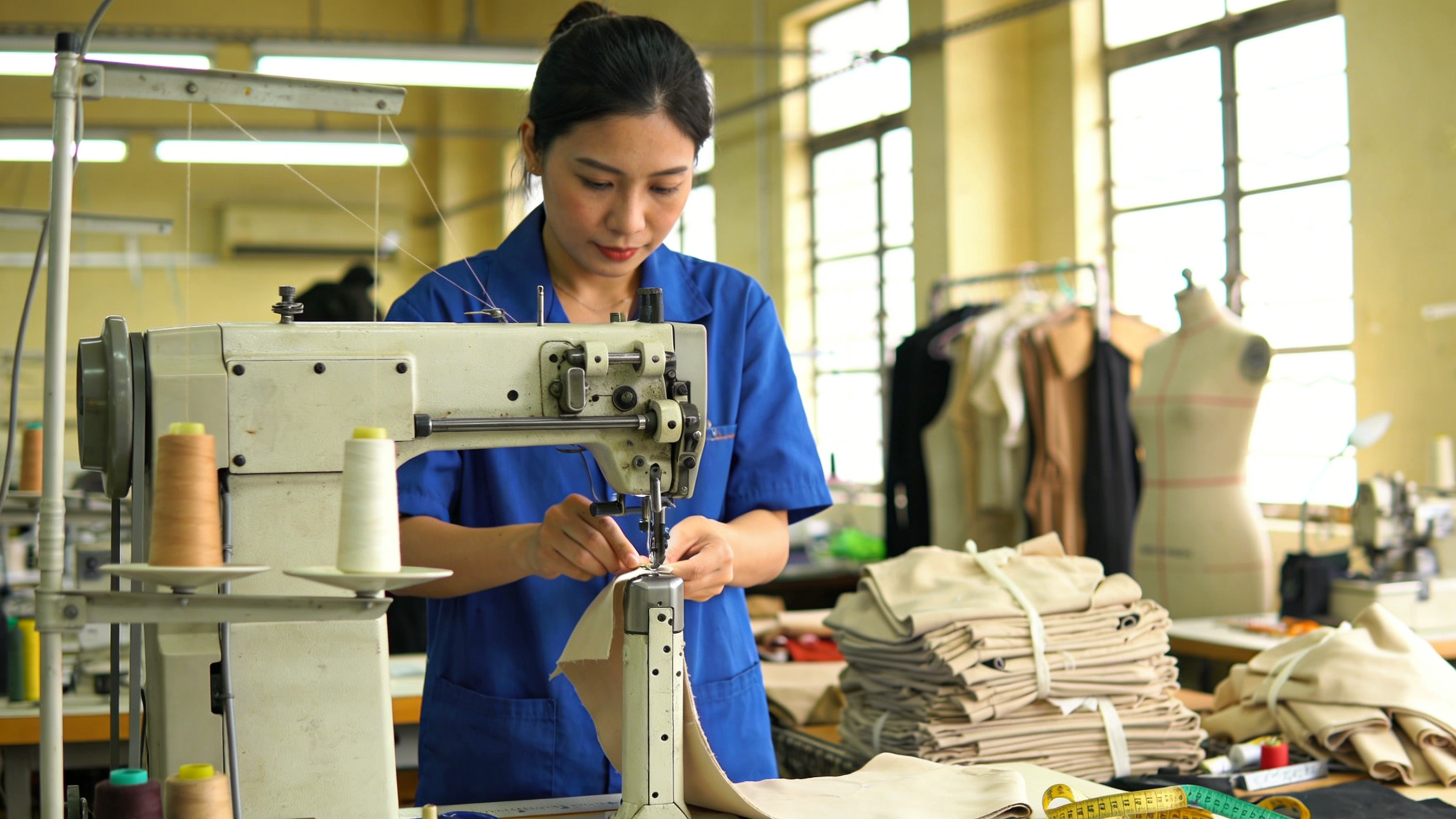
In the modern fashion industry, speed and innovation are critical. Brands must constantly develop new products to keep up with changing trends and consumer expectations. One of the most effective ways to accelerate product development is through rapid prototyping services.
Rapid prototyping allows fashion brands to transform design ideas into physical garment samples quickly, helping teams evaluate fit, fabric, and construction before committing to large-scale production.
What Is Rapid Prototyping in Fashion?
Rapid prototyping refers to the fast creation of garment samples during the product development stage.
Instead of waiting weeks for sample production, manufacturers use efficient development processes to create prototypes quickly. These samples allow brands to test and refine designs before moving forward with bulk manufacturing.
Rapid prototypes help brands evaluate important aspects such as:
-
garment structure
-
fabric performance
-
fit and sizing
-
overall visual appearance
-
comfort and functionality
This process ensures that the final product meets both design expectations and market requirements.
Why Rapid Prototyping Is Important for Fashion Product Development
Fashion brands often work under tight timelines. Seasonal collections, trend-driven releases, and competitive markets require quick decision-making.
Rapid prototyping helps brands:
-
shorten product development cycles
-
test multiple design ideas efficiently
-
reduce production risks
-
improve product quality before launch
-
respond quickly to market trends
By accelerating the sampling process, brands can move from concept to market much faster.
The Rapid Prototyping Process
Professional garment manufacturers follow a structured workflow to ensure efficient prototype development.
1. Design Review
Brands provide sketches, tech packs, or reference images. The manufacturer reviews construction details, measurements, and materials.
2. Fabric and Trim Selection
Suitable fabrics and trims are chosen based on design requirements and performance needs.
3. Pattern Development
Experienced pattern makers translate the design concept into accurate garment patterns that determine the overall fit and structure.
4. Prototype Sample Creation
The prototype garment is produced quickly to allow designers and product teams to evaluate the design in real form.
5. Evaluation and Revision
Brands review the sample and request adjustments if necessary, such as changes to fit, fabric choice, or construction details.
This iterative process continues until the final design is approved for production.
Supporting Innovation in Fashion Design
Rapid prototyping encourages creativity and innovation. Instead of committing to a single design immediately, brands can experiment with different ideas during the development phase.
Design teams can explore:
-
new silhouettes
-
alternative fabric combinations
-
improved construction methods
-
updated functional features
This flexibility helps brands create products that stand out in competitive markets.
Reducing Development Risks
Launching a new garment without proper testing can lead to production issues and costly mistakes.
Rapid prototyping helps identify potential problems early, including:
-
poor garment fit
-
unsuitable fabric performance
-
construction weaknesses
-
design inconsistencies
Addressing these issues during the prototype stage ensures smoother and more efficient bulk production.
From Prototype to Bulk Production
Once the prototype is approved, manufacturers can move quickly into bulk production.
Because patterns, fabric specifications, and construction methods are already finalized during the prototyping phase, production can begin with greater accuracy and efficiency.
This streamlined process helps brands maintain consistent product quality while meeting production deadlines.
Final Thoughts
Rapid prototyping services play a crucial role in modern fashion product development. By turning design concepts into physical samples quickly, brands can test ideas, refine designs, and reduce production risks before moving to bulk manufacturing.
For fashion brands looking to stay competitive, efficient prototype development is not just a convenience—it is an essential part of a successful product development strategy.


