Small Batch Clothing Manufacturing with Scalable Production
News Details
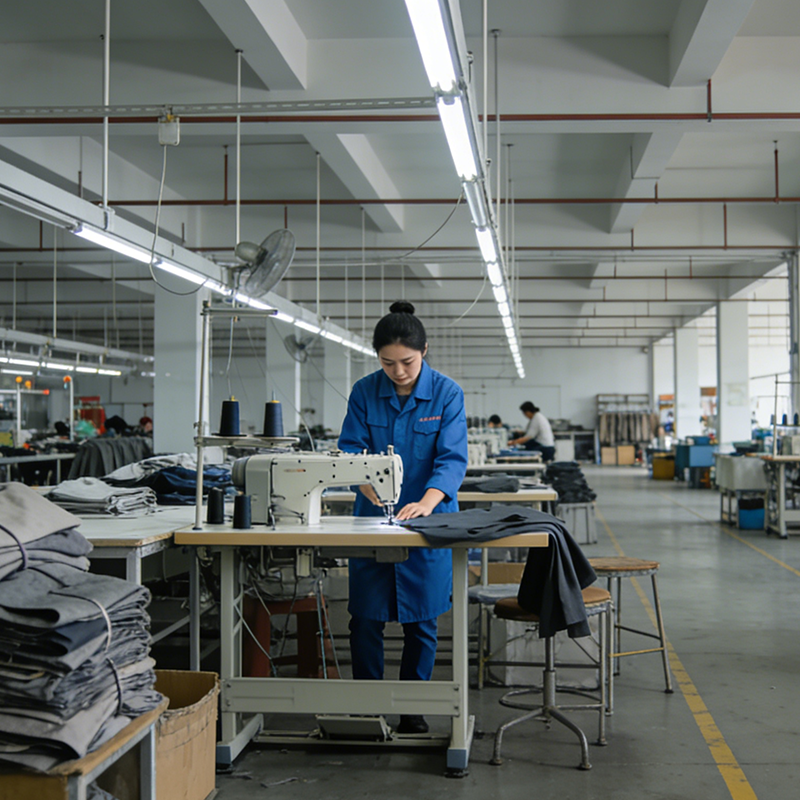
For many fashion brands, launching a new product line involves balancing creativity with financial risk. Producing large quantities too early can lead to excess inventory, while producing too little may limit growth opportunities.
This is why small batch clothing manufacturing with scalable production has become an increasingly popular solution for modern fashion brands. It allows businesses to start with manageable production volumes while maintaining the flexibility to scale quickly when demand grows.
What Is Small Batch Clothing Manufacturing?
Small batch manufacturing refers to producing garments in limited quantities per style or order.
Instead of requiring large minimum order quantities, manufacturers offer flexible production runs that allow brands to test the market before committing to larger inventory investments.
This production model is ideal for:
-
startup fashion brands
-
boutique retailers
-
independent designers
-
online clothing stores
-
seasonal capsule collections
By starting small, brands can gather customer feedback and refine their products before expanding production.
The Benefits of Small Batch Production
Lower Financial Risk
Producing smaller quantities reduces upfront investment. Brands can allocate resources more efficiently while avoiding the risk of unsold inventory.
Faster Product Testing
Small batch manufacturing allows brands to test new designs in the market quickly. If a product performs well, it can be reordered or scaled for larger production.
Greater Design Flexibility
Fashion trends evolve rapidly. Smaller production runs allow brands to adapt their collections and introduce new styles without long production commitments.
Better Inventory Control
Instead of storing large quantities of unsold products, brands can manage inventory more strategically and replenish popular items when necessary.
Scalable Production for Growing Brands
While small batch manufacturing supports flexibility, scalability is equally important for long-term growth.
A manufacturer with scalable production capabilities can increase output when demand rises without compromising quality or delivery timelines.
Scalable production includes:
-
organized production lines
-
skilled sewing teams
-
efficient cutting and assembly processes
-
strong fabric sourcing networks
This ensures brands can transition smoothly from small test orders to larger bulk production.
From Sample to Production
Small batch clothing manufacturing usually follows a structured process:
-
Design review and tech pack confirmation
-
Fabric and trim sourcing
-
Pattern making
-
Sample development
-
Sample approval
-
Small batch production
-
Quality inspection
-
Packaging and shipping
Once a product proves successful in the market, the manufacturer can quickly move into larger production runs.
Supporting Private Label Brands
Many manufacturers offering small batch production also support private label services, including:
-
custom brand labels
-
hang tags
-
packaging
-
custom sizing and grading
This allows fashion brands to build a distinctive identity while maintaining flexible production quantities.
Maintaining Quality in Small Batch Production
Even with smaller orders, quality standards must remain consistent.
Professional manufacturers maintain strict quality control procedures, including:
-
fabric inspection before cutting
-
in-line sewing checks
-
measurement verification
-
final garment inspection
Consistent quality ensures customer satisfaction and supports brand reputation.
A Strategic Approach to Fashion Manufacturing
Small batch clothing manufacturing with scalable production offers a balanced approach for modern fashion businesses.
Brands can test designs, refine collections, and respond to market demand without excessive inventory risk. When a product becomes successful, production can expand efficiently to meet growing demand.
Final Thoughts
In today’s dynamic fashion industry, flexibility and scalability are key to long-term success.
Small batch clothing manufacturing allows brands to launch collections with confidence while maintaining the ability to grow production as their market expands.
By partnering with a manufacturer that supports both small runs and large-scale production, fashion brands can build sustainable growth while staying responsive to changing consumer trends.


