What Are the Most Common Fabric Problems in Custom Yoga Apparel?
News Details
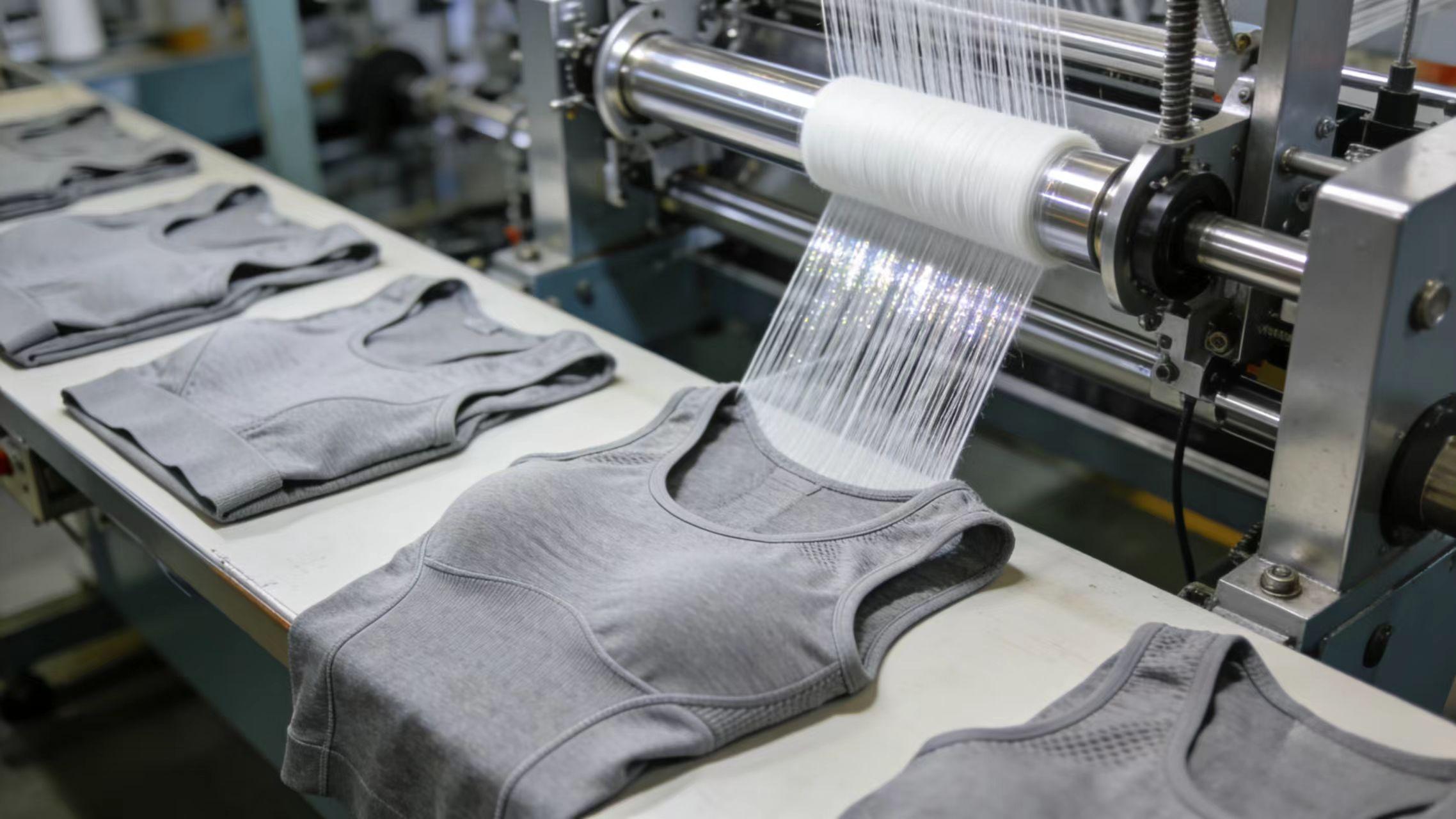
Fabric is the foundation of yoga apparel.
No matter how good the design looks, fabric problems can quickly ruin the fit, comfort, and performance of a yoga garment.
In custom yoga wear manufacturing, many quality issues can be traced back to fabric selection, testing, or handling. Below are the most common fabric problems brands encounter — and why they happen.
1. Insufficient Stretch and Recovery
Yoga apparel must move with the body.
A common issue in custom yoga clothing is fabric that stretches but does not recover well. This leads to garments that feel tight during movement or become loose and misshapen after wear.
Poor stretch recovery often results from:
-
Low-quality spandex content
-
Incorrect knit structure
-
Improper fabric testing before production
Without proper recovery, leggings and tops lose their supportive feel.
2. Fabric Becoming See-Through When Stretched
Sheerness is one of the biggest concerns for yoga wear.
Some fabrics look opaque when laid flat but become see-through during stretching, especially in leggings and fitted tops. This problem usually appears during movement, not at rest — making it easy to miss during early sampling.
Common causes include:
-
Fabric weight being too light
-
Loose knit density
-
Incorrect color dyeing
Proper stretch testing is essential to avoid this issue.
3. Poor Moisture-Wicking Performance
Yoga apparel is expected to handle sweat effectively.
Fabric that fails to wick moisture can feel heavy, sticky, and uncomfortable during workouts. This reduces performance and negatively impacts customer experience.
Moisture issues often come from:
-
Inappropriate fiber blends
-
Incorrect fabric finishes
-
Misunderstanding performance requirements
Not all “sports fabrics” are suitable for yoga-specific needs.
4. Pilling and Surface Wear
Pilling is a frequent complaint in yoga apparel.
Fabrics that pill easily lose their clean appearance quickly, even after limited wear. This is especially noticeable in high-friction areas like inner thighs and underarms.
Pilling is usually caused by:
-
Short fiber yarns
-
Low-quality yarn spinning
-
Lack of abrasion testing
This issue affects long-term wearability and brand perception.
5. Inconsistent Fabric Color or Dye Issues
Color consistency is more challenging than it appears.
In custom yoga wear, fabric dyeing problems can lead to:
-
Shade differences between batches
-
Uneven coloring
-
Fading after washing
Dark colors and bright tones are especially sensitive. Without proper dye control and testing, color inconsistency becomes a major quality risk.
6. Fabric That Feels Uncomfortable on Skin
Yoga apparel is worn close to the body.
Some fabrics may technically perform well but feel rough, stiff, or irritating during movement. Comfort issues are often overlooked during development but strongly affect customer satisfaction.
This can result from:
-
Poor yarn quality
-
Incorrect finishing processes
-
Overemphasis on compression without balance
How Brands Can Avoid Fabric Problems in Custom Yoga Apparel
Many fabric issues are preventable.
Brands can reduce risks by:
-
Defining fabric performance requirements clearly
-
Conducting stretch, recovery, and opacity tests
-
Testing fabric under real movement conditions
-
Working with experienced yoga apparel manufacturers
-
Approving fabric samples before bulk production
Choosing the right manufacturing partner is as important as choosing the fabric itself.
Final Thoughts
Most fabric problems in custom yoga apparel don’t happen by accident.
They result from rushed decisions, insufficient testing, or lack of expertise. By understanding these common issues and addressing them early, brands can create yoga wear that performs well, lasts longer, and earns customer trust.
In yoga apparel, fabric quality is not optional — it’s essential.


