Why Do Custom Yoga Clothing Orders Face Delays in Production?
News Details
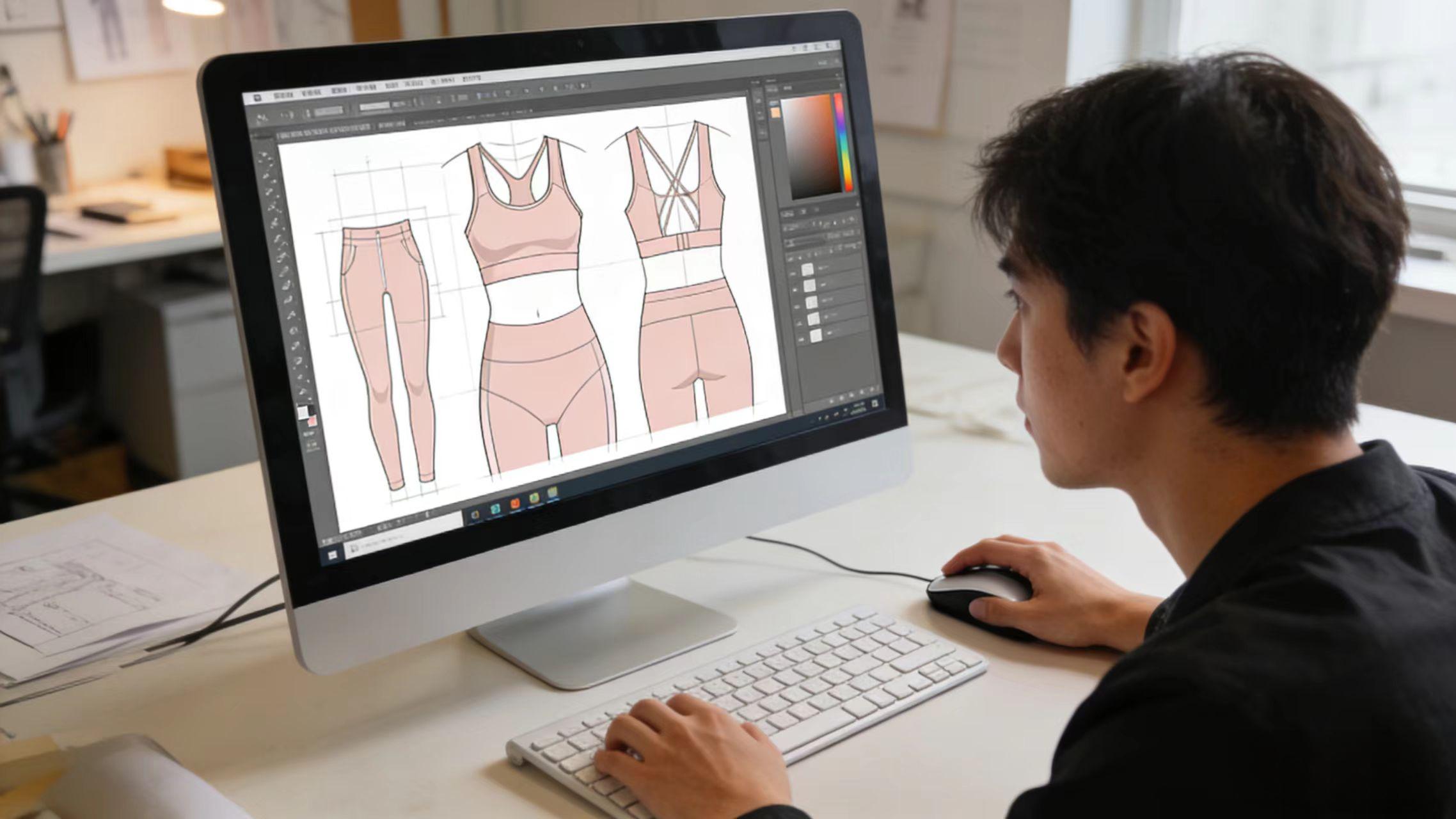
Production delays are one of the most common frustrations brands face when developing custom yoga clothing.
While delays are often blamed on factories, the reality is that yoga apparel production involves multiple stages, technical requirements, and external factors. Understanding why delays happen helps brands plan better and reduce risks.
1. Fabric Development and Approval Take Longer Than Expected
Fabric is the most critical element in yoga wear.
Custom yoga clothing often requires:
-
Specific stretch and recovery levels
-
Non–see-through performance
-
Moisture-wicking properties
-
Custom colors or finishes
If fabric testing, lab dips, or performance approvals are delayed, production cannot move forward. Many delays start before cutting even begins.
2. Repeated Sample Revisions
Yoga apparel is highly fit-sensitive.
Small changes in:
-
Compression level
-
Waistband height
-
Leg opening
-
Seam placement
can require new samples. Each revision adds time, especially when feedback is unclear or changes are made one step at a time instead of consolidated.
3. Unclear or Changing Design Specifications
Incomplete tech packs are a major cause of delays.
Common issues include:
-
Missing measurements
-
Unclear construction details
-
Undefined stitching or seam types
-
Late design changes
When factories need clarification mid-production, timelines are immediately affected.
4. Order Quantity and Production Scheduling Conflicts
Yoga apparel factories usually run multiple orders simultaneously.
Delays can occur when:
-
Order quantities change after confirmation
-
Small-batch orders compete with larger runs
-
Production slots must be rescheduled
Once a production plan is disrupted, it often impacts multiple stages.
5. Quality Control Issues During Bulk Production
Some problems only appear at scale.
During bulk production, factories may discover:
-
Fabric behavior different from samples
-
Sewing issues affecting stretch or durability
-
Higher defect rates requiring rework
Quality control protects the final product, but it can extend timelines when corrections are needed.
6. Trim and Accessory Delays
Yoga clothing relies on more than fabric.
Delays can happen due to:
-
Custom elastic or waistbands
-
Heat-transfer logos
-
Special labels or packaging
-
Imported trims arriving late
Even one missing component can stop production.
7. Communication Gaps Between Brands and Factories
Time zone differences and slow feedback matter.
Delays often increase when:
-
Feedback takes too long
-
Decisions are postponed
-
Instructions change without confirmation
Fast, clear communication is essential for keeping production on track.
How Brands Can Reduce Production Delays
Many delays are preventable.
Brands can improve timelines by:
-
Finalizing designs before sampling
-
Approving fabrics early
-
Preparing complete tech packs
-
Locking quantities in advance
-
Working with experienced yoga wear OEM & ODM factories
The more decisions made upfront, the smoother production becomes.
Delays Don’t Always Mean Poor Manufacturing
Not all delays indicate factory issues.
In many cases, delays reflect responsible manufacturing — ensuring fabric performance, fit accuracy, and quality standards are met before shipment.
A reliable factory will communicate delays early and explain the reasons clearly.
Final Thoughts
Custom yoga clothing production takes time because performance apparel demands precision.
Fabric testing, fit adjustments, and quality control are essential — not optional. By understanding the real causes of delays and working collaboratively with professional manufacturers, brands can achieve better products with more predictable timelines.
In yoga apparel, patience and preparation lead to better results.


