What Should Brands Prepare Before Starting a Custom Yoga Wear Project?
News Details
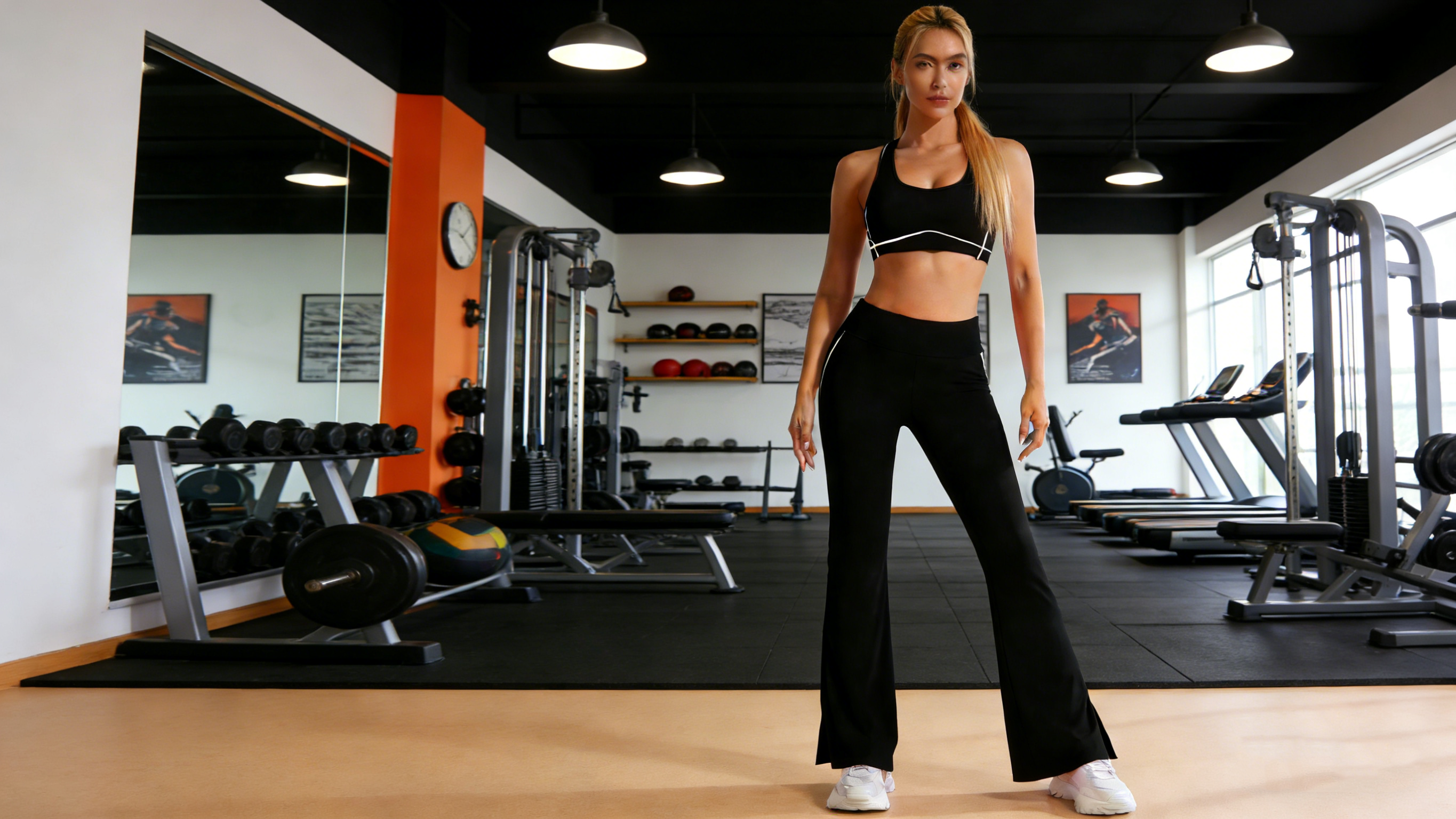
Starting a custom yoga wear project can be exciting — but without proper preparation, it can quickly become costly and time-consuming.
Yoga apparel is performance-driven, fit-sensitive, and detail-heavy. Brands that prepare well from the beginning experience smoother development, fewer revisions, and more predictable timelines. Here’s what should be ready before working with a custom yoga wear manufacturer.
1. Clear Product Vision and Target Market
Before contacting a factory, brands should define:
· Who the product is for (yoga, Pilates, gym, lifestyle)
· Target customer profile and price range
· Performance expectations (compression, softness, durability)
A clear direction helps manufacturers recommend suitable fabrics, construction methods, and cost options.
2. Design Details or Reference Samples
Even simple designs need clarity.
Brands should prepare:
· Sketches or design drawings
· Reference photos or competitor samples
· Notes on style, fit, and functionality
Clear visual references reduce misunderstandings and speed up the sampling process.
3. Fabric Performance Requirements
Fabric is the core of yoga wear.
Key fabric requirements to define:
· Stretch and recovery level
· Opacity (non–see-through performance)
· Moisture-wicking and breathability
· Fabric weight and hand feel
Without clear fabric standards, sample results often fail expectations.
4. Size Range and Fit Expectations
Yoga wear fit issues are common — but preventable.
Brands should clarify:
· Target size range
· Preferred fit (compression vs comfort)
· Key measurements (waistband height, inseam, rise)
Fit comments should be consolidated to avoid multiple sample revisions.
5. Quantity, Colorways, and Variations
Production planning depends on volume.
Before sampling or quoting, brands should consider:
· Estimated order quantity
· Number of colors per style
· Style variations (length, waistband, pocket options)
Late changes to quantity or colors often cause delays and cost adjustments.
6. Branding Elements and Trims
Yoga apparel branding is detail-focused.
Prepare information on:
· Logo application method (heat transfer, embroidery)
· Labels, tags, and packaging needs
· Custom elastic, drawstrings, or waistbands
These elements affect lead time and cost and should be discussed early.
7. Target Timeline and Launch Plan
Realistic timelines are essential.
Brands should communicate:
· Desired delivery date
· Launch or sales schedule
· Flexibility level
Experienced manufacturers can help adjust timelines — but only if expectations are clear from the start.
8. Budget Range and Cost Priorities
Transparent budgets lead to better results.
Instead of asking only for the lowest price, brands should clarify:
· Target cost range
· Areas where quality is non-negotiable
· Areas where flexibility is possible
This allows factories to recommend the best solutions within budget.
9. Communication and Decision-Making Process
Slow decisions cause delays.
Brands should assign:
· A main contact person
· Clear feedback timelines
· Approval authority
Efficient communication keeps the project moving forward.
Why Preparation Matters in Custom Yoga Wear
Most production problems don’t start on the factory floor — they start before the project begins.
When brands prepare thoroughly, they gain:
· Faster sampling
· Fewer revisions
· More accurate pricing
· Better quality control
· Stronger factory partnerships
Final Thoughts
Custom yoga wear success begins long before production.
By preparing designs, fabric requirements, sizing, quantities, and timelines in advance, brands set themselves up for smoother development and better results. With the right preparation and the right OEM & ODM manufacturing partner, custom yoga apparel becomes a strategic advantage — not a risk.


